

For years, Google Pixel users have shared a strangely universal experience: phones coming alive inside pockets, placing emergency calls, toggling airplane mode, switching on flashlights, and even sending messages without human interaction. What initially sounded like isolated glitches gradually revealed itself as one of the most persistent usability issues in Google’s smartphone lineup. Now, after years of user frustration, Google has finally signaled that a real fix is on the way.
In a brief but significant update on Google’s public issue tracker, a Google engineer confirmed that accidental touch prevention has been “fixed” and will roll out in a future software release. While the statement itself was short, its implications are substantial. It marks the first official acknowledgment from Google that the Pixel pocket dialing issue was real, systemic, and deserving of a platform-level solution.
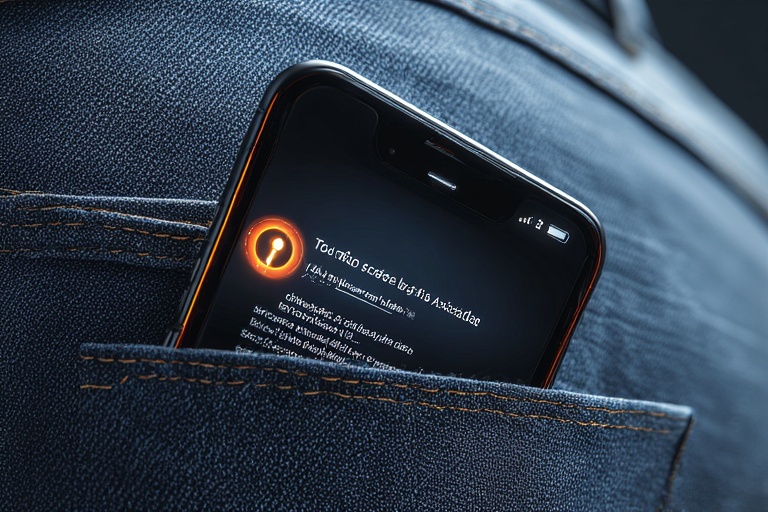
The Pixel Pocket Dialing Problem: Small Bug, Big Consequences
Pocket dialing may sound trivial until it happens repeatedly—and publicly. Pixel users have reported phones calling emergency services while locked, messaging contacts unintentionally, enabling settings without consent, and draining battery life due to constant screen activation. These incidents weren’t limited to a single model or Android version.
The issue has been widely reported across Pixel devices starting with the Pixel 6 and continuing through Pixel 9, with early complaints emerging as far back as 2021. Even users who were careful with lock screen settings found that their phones could still register ghost touches while inside pockets, bags, or purses.
Unlike minor visual glitches or app crashes, this problem directly affected user trust. A smartphone that cannot reliably stay inactive while locked undermines the most basic expectations of personal technology.
Google’s Long Silence—and Why It Mattered
What frustrated users most wasn’t just the bug itself, but the lack of clarity from Google. For years, issue tracker threads filled with reports, logs, videos, and community testing. Some threads grew so large that they became informal archives of Pixel user frustration.
During this time, Google rolled out dozens of Pixel Feature Drops and security patches, often boasting over 100 fixes per update. Yet the accidental touch issue persisted, untouched and largely unacknowledged.
This silence was especially noticeable because other Android manufacturers had already solved the problem years earlier.
How Other Android Brands Solved This Years Ago
Samsung, Xiaomi, OnePlus, and several other Android manufacturers implemented “pocket mode” or “accidental touch protection” features long ago. These systems typically rely on proximity sensors, ambient light detection, and contextual awareness to determine when a phone is inside a pocket or enclosed space.
When triggered, touch input is temporarily disabled or heavily restricted, preventing the screen from responding to accidental contact. These features worked quietly and effectively, rarely drawing attention because they simply did their job.
Google, despite being the steward of Android itself, never implemented a comparable native solution on Pixel devices—an omission that puzzled both users and developers.
The Engineer Comment That Changed Everything
The breakthrough came quietly. On November 29, a Google engineer posted a short comment on the official issue tracker stating that the accidental touch issue had been fixed and would appear in a future release.
The comment didn’t specify which update, device models, or technical approach would be used. However, for long-time Pixel users, this single sentence represented something far more important than technical details: confirmation.
It confirmed that Google recognized the issue as legitimate, reproducible, and solvable.
Why the December 2025 Update Didn’t Include the Fix
The timing raised questions. Google’s December 2025 Pixel update had just rolled out with more than 100 bug fixes, yet the accidental touch fix wasn’t included. This strongly suggests that the solution either wasn’t fully validated in time or is being reserved for a future monthly update or feature drop.
Industry watchers now expect the fix to arrive no earlier than January 2026, with some speculation pointing to a broader Android system-level change rather than a simple toggle.
A Design Philosophy Shift at Google?
This development may indicate a deeper shift in how Google approaches Pixel software design. Historically, Google has prioritized clean interfaces and minimal system features, sometimes at the expense of practical safeguards found in heavily customized Android skins.
The pocket dialing issue exposed a flaw in that philosophy. Minimalism works only when it doesn’t compromise real-world usability. As Pixels grow more powerful, more sensor-rich, and more AI-driven, ignoring contextual awareness becomes increasingly untenable.
Fixing accidental touch input isn’t just about solving an annoyance—it’s about restoring confidence in the Pixel experience.
Why This Fix Matters More Than It Seems
At first glance, this might look like a niche bug fix. In reality, it touches on several critical areas:
User safety, especially accidental emergency calls
Privacy, as unintended messages and calls can expose personal data
Battery efficiency, due to screens activating inside pockets
Brand trust, which erodes when basic functionality fails
In an era where smartphones are deeply embedded in daily life, these factors matter enormously.
The Risk of Getting It Wrong
Ironically, fixing this issue isn’t trivial. Over-aggressive touch blocking could prevent legitimate lock screen interactions, delay emergency access, or interfere with accessibility features. Google will need to strike a careful balance between protection and responsiveness.
This likely explains the long delay. A poorly implemented fix could create more problems than it solves, especially across a wide range of devices, use cases, and climates.
What Pixel Users Can Expect Next
While Google hasn’t provided timelines, signals suggest that:
The fix will likely be system-level, not app-based
It may leverage proximity and motion sensors
It could roll out gradually via a monthly update or Feature Drop
Older Pixel models may also receive the fix
If implemented correctly, this could finally close one of the longest-running chapters in Pixel user complaints.
FAQs
1. What is Pixel pocket dialing?
It’s when Pixel phones register touches and actions while locked inside pockets or bags.
2. Which Pixel models are affected?
Reports span from Pixel 6 through Pixel 9, and possibly newer models.
3. Has Google officially acknowledged the issue?
Yes, a Google engineer confirmed it has been fixed for a future release.
4. Is the fix included in the December 2025 update?
No, it was not part of that update.
5. When will the fix arrive?
Most likely in January 2026 or a later Pixel Feature Drop.
6. Why did this take so long to fix?
The issue requires careful sensor and system-level handling to avoid breaking other features.
7. Do other Android phones already have this feature?
Yes, brands like Samsung and Xiaomi have offered pocket protection for years.
8. Will older Pixel devices get the fix?
Google has not confirmed, but history suggests broad device support.
9. Can users do anything in the meantime?
Disabling “Tap to wake” and lock screen features can reduce incidents.
10. Why is this fix important?
It improves safety, privacy, battery life, and overall user trust.