

In an era defined by constant notifications, endless scrolling, and algorithm-driven distractions, managing screen time has quietly evolved from a personal productivity challenge into a societal issue. Smartphones, once celebrated for their ability to connect us, now frequently serve as gateways to chronic distraction, reduced attention spans, and digital fatigue. While software-based solutions such as app timers and focus modes exist, many users have discovered that willpower alone is rarely enough to overcome deeply ingrained habits.
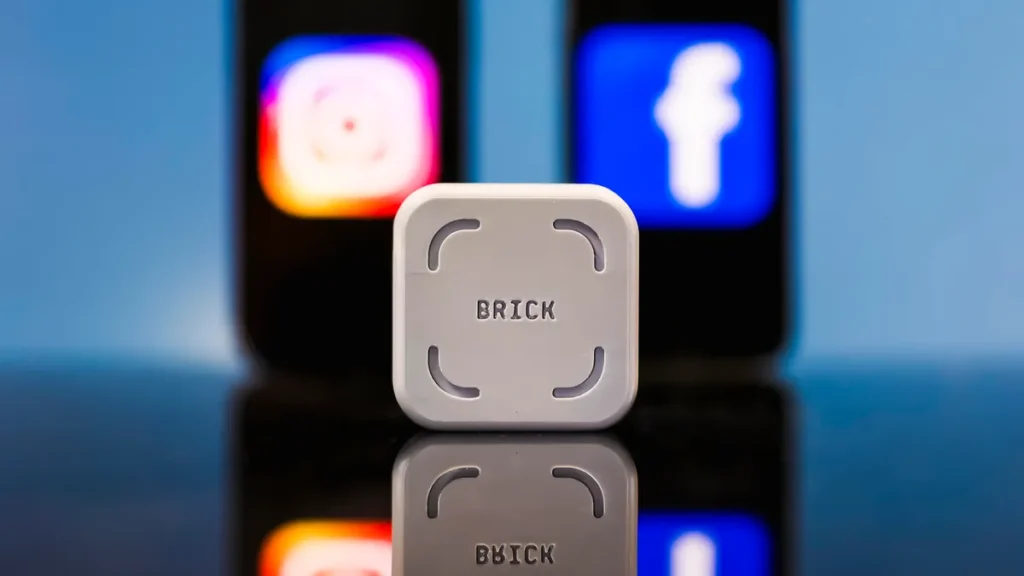
This is where the Brick screen time blocker enters the conversation—not as another app, but as a physical intervention in the digital ecosystem. Unlike traditional digital wellness tools that rely on self-enforcement, Brick introduces something fundamentally different: a tangible barrier between users and their most distracting apps. And when viewed through a household lens, the device’s real value becomes even more apparent.
Understanding the Philosophy Behind Physical Digital Barriers
The tech industry has long relied on software solutions to address problems created by software. Ironically, this approach often fails when it comes to screen addiction. Built-in screen time limits can be overridden with a few taps. Focus modes are easily disabled during moments of boredom. Notifications inevitably creep back in.
Brick challenges this paradigm by reintroducing friction—a concept largely erased by modern interface design. By requiring users to physically interact with a device to block or unblock distracting apps, Brick forces a moment of conscious decision-making. This pause, small as it may seem, is often enough to interrupt habitual phone checking.
From a behavioral science perspective, Brick aligns with research showing that reducing accessibility to addictive stimuli is far more effective than relying on self-control alone. The device does not shame users or track their behavior obsessively. Instead, it quietly reshapes the environment in which digital choices are made.
How the Brick Actually Works in Daily Life
Brick operates through a companion app that connects to the physical device. Once set up, users can choose which apps they want to block—typically social media, entertainment platforms, or news feeds that encourage endless scrolling. To activate the block, the phone must physically tap the Brick device.
Unblocking apps requires the same deliberate physical interaction. This design eliminates impulsive behavior, transforming what was once a reflex into a conscious action. Importantly, Brick does not restrict essential phone functionality. Calls, messages, navigation, and emergency features remain accessible, ensuring the device enhances focus without compromising safety.
What sets Brick apart is that it does not attempt to replace smartphones or demonize technology. Instead, it acts as a governor, keeping usage intentional rather than compulsive.
The Price Barrier and the Perception of Value
At first glance, Brick’s retail price appears steep for a device that performs a seemingly simple function. In a market saturated with low-cost apps promising productivity miracles, paying a premium for a physical screen blocker can feel excessive.
However, this perception changes dramatically when Brick is viewed not as an individual gadget, but as a shared household tool. Unlike personal apps that require separate subscriptions or accounts per user, Brick can serve multiple people simultaneously—each with their own account and customized settings.
This fundamentally shifts the cost-to-value ratio. When shared between partners, families, or roommates, Brick becomes less of a luxury and more of a long-term investment in collective digital wellbeing.
Why Brick Works Especially Well in Shared Living Spaces
Modern households face a unique challenge: digital habits are contagious. One person scrolling on their phone during dinner often leads others to do the same. Shared screen time, especially in the evenings, frequently replaces meaningful interaction—even when a television is already on.
Brick addresses this by acting as a centralized control point. When placed in a common, agreed-upon location, it becomes a silent social contract. The physical presence of the device serves as a reminder that reducing screen time is a shared goal, not an individual struggle.
From a psychological standpoint, this shared accountability significantly increases adherence. People are more likely to respect boundaries when they know others are participating in the same effort.
The Economics of Sharing One Brick Among Many Users
One of Brick’s most compelling yet understated advantages is its scalability within a household. The device does not limit the number of users who can connect to it. Each individual simply creates their own account within the app, maintaining privacy while sharing the same physical Brick.
This makes the device particularly attractive for couples, families with teenagers, or shared apartments where multiple people are struggling with screen overuse. Dividing the cost among several users reduces the financial barrier while amplifying the behavioral impact.
In effect, Brick transforms from a personal productivity purchase into a shared infrastructure upgrade for the home.
Digital Wellbeing as a Household Culture, Not a Personal Battle
One of the most overlooked aspects of digital wellness is its social dimension. Screen habits are rarely isolated behaviors. They influence family dynamics, productivity levels, sleep quality, and even emotional availability.
Brick excels because it supports the creation of a household-wide culture of intentional technology use. Instead of one person constantly reminding others to “get off their phone,” the device externalizes that role. The rule is no longer personal—it is structural.
This shift reduces conflict, removes judgment, and reframes screen reduction as a shared experiment rather than a forced restriction.
Emergency Overrides and the Importance of Trust
Brick includes an emergency unbrick feature, allowing users to regain access to blocked apps when absolutely necessary. While this ensures flexibility, it also introduces an important trust component when the device is shared.
Successful households establish clear expectations about where the Brick is kept and how it is used. Keeping the device in a consistent, neutral location prevents unnecessary frustration and reinforces the sense of collective ownership.
This dynamic mirrors other shared household systems, such as Wi-Fi routers or smart thermostats, where cooperation is essential for smooth operation.
How Brick Fits Into the Broader Tech Industry Trend
Brick represents a growing movement within the tech industry toward humane technology—tools designed to protect users from exploitation rather than maximize engagement. As regulators, researchers, and consumers increasingly scrutinize attention-driven business models, devices like Brick offer a glimpse into an alternative future.
Rather than relying on opaque algorithms and persuasive design, Brick’s simplicity is its strength. It does not collect excessive data, push notifications, or attempt to upsell premium features endlessly. Its value proposition is clear, focused, and refreshingly honest.
In many ways, Brick feels like a corrective measure to a decade of digital excess.
Long-Term Impact on Productivity, Relationships, and Mental Health
Users often report that Brick does more than just reduce screen time. By reclaiming moments previously lost to scrolling, people rediscover boredom, creativity, and presence. Conversations last longer. Work sessions become more focused. Even leisure activities feel more intentional.
From a mental health perspective, reduced exposure to algorithmic content can lower anxiety, comparison fatigue, and emotional burnout. Brick does not promise transformation, but it creates the conditions for healthier digital habits to emerge naturally.
Over time, these small changes compound into meaningful lifestyle improvements.
Is Brick the Future of Digital Boundaries?
While Brick is not a universal solution, it represents a powerful shift in how we think about managing technology. Instead of asking individuals to constantly resist design engineered to capture attention, Brick modifies the environment itself.
As households continue to navigate the blurred boundaries between work, entertainment, and rest, tools that support intentional use will only grow more relevant. Brick’s success suggests that sometimes, the most effective tech solutions are the ones that encourage us to use technology less—not more.
FAQs
1. What makes Brick different from screen time apps?
Brick introduces a physical barrier, creating intentional friction that apps alone cannot provide.
2. Can multiple users really share one Brick device?
Yes, each user has a separate account while using the same physical Brick.
3. Does Brick block essential phone functions?
No, calls, messages, navigation, and emergency features remain accessible.
4. Is Brick suitable for families with teenagers?
Yes, especially because it promotes shared accountability without constant monitoring.
5. Can Brick be moved around the house?
It can, but keeping it in one agreed location works best.
6. Does Brick collect personal data?
Brick focuses on functionality rather than data harvesting.
7. What happens if I urgently need access to blocked apps?
An emergency unbrick option is available when absolutely necessary.
8. Is Brick worth the price?
When shared among multiple users, the cost-to-value ratio improves significantly.
9. Does Brick work with both Android and iOS?
Yes, it supports major mobile platforms.
10. Who benefits most from using Brick?
Anyone struggling with compulsive phone use, especially in shared living environments.