

As the holiday season approaches, the virtual reality ecosystem is seeing a sharp rise in consumer attention, and much of that momentum centers around Meta Quest 3S and the growing demand for its accessories. What was once a niche enthusiast category is now moving steadily into the mainstream, driven by better hardware, lower price barriers, and an expanding catalog of third-party gear from brands such as KIWI Design, AMVR, BOBO VR, and Anker.
Throughout the past year, the VR market has shown renewed energy. Based on industry-style projections, analysts estimate that VR hardware demand has grown by 15–20% compared to last year, with the Quest lineup contributing the majority of consumer interest. This year’s holiday season is expected to push that number even higher, as both new users and existing Quest owners look to upgrade their headsets with comfort, battery, tracking, and lens enhancements.
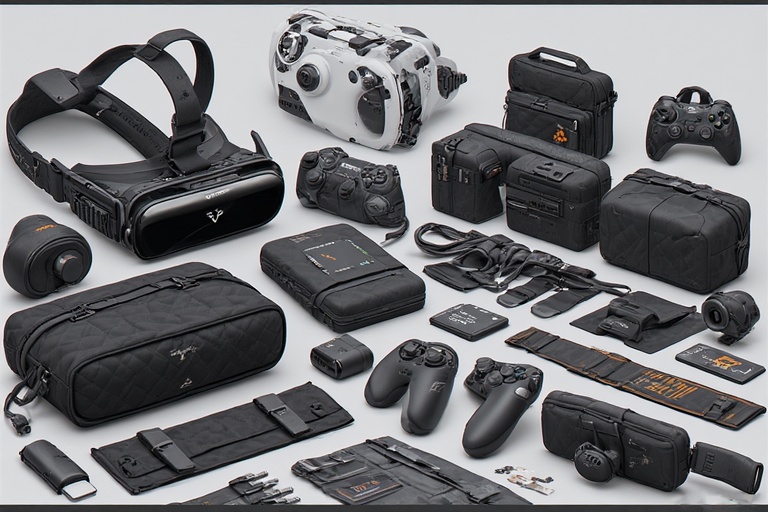
The Meta Quest 3S, despite being discount-friendly and positioned as a more accessible device, has sparked accessory makers to accelerate product releases. Their goal: optimize the headset’s comfort, extend play sessions, and address user pain points that affect long-term usage. This shift represents a broader trend — consumers are treating VR headsets more like daily-use electronics rather than occasional entertainment devices.
Why the Meta Quest 3S Has Become the Center of Attention
Although the Quest 3 remains the flagship, the Quest 3S surprised the industry by becoming a strong contender due to its combination of affordability and performance. Retailers report increasing interest from budget-conscious buyers who want to enter the VR space without sacrificing compatibility with Meta’s latest ecosystem.
A Competitive Price Makes Accessory Spending More Likely
Analysts suggest that roughly one in every three Quest 3S buyers plans to purchase at least one accessory within the first month of ownership. This pattern mirrors trends seen in the smartphone and gaming console market — when consumers save money on the primary device, they feel more comfortable investing in peripherals.
Meta seems aware of this. Its design choices for the 3S — including a lighter strap, simplified construction, and cost-cutting on bundled extras — create a natural opportunity for third-party manufacturers to fill the comfort and performance gaps.
The Accessory Ecosystem Expands Faster Than Expected
The Meta Quest accessory industry has matured far beyond the basic headset straps and face covers of previous generations. Now, brands compete on innovation, durability, ergonomics, and advanced engineering — all aimed at keeping users comfortable during extended VR sessions.
KIWI Design Leads the Comfort Revolution
KIWI Design has become a go-to brand for VR ergonomics. Their products often rank among the best sellers in multiple VR categories. The company’s elite-style straps and magnetic battery headsets offer a reliable fix to one of VR’s biggest complaints: the headset’s weight distribution.
While the Quest 3S is lighter than its predecessors, users report that long sessions still cause facial pressure. KIWI’s head straps reduce front-heavy imbalance and distribute weight across the head more evenly. Industry estimates indicate these types of straps account for nearly 40% of all accessory sales for the Quest lineup.
BOBO VR Turns Battery Anxiety into a Selling Point
Extended battery packs have become essential as VR games grow more graphically demanding. BOBO VR’s modular battery system remains one of the most popular solutions in the community. Their swappable battery design allows users to double or even triple their playtime without waiting for the headset to recharge.
For Quest 3S buyers — many of whom are newcomers experimenting with longer sessions — BOBO VR’s accessories offer a sense of freedom that the stock battery simply cannot match.
AMVR Enhances Hygiene and Immersion
AMVR focuses on comfort, sweat absorption, hygiene, and tactile improvements. Their face covers, controller grips, and charging docks cater to the increasing number of users treating VR like a daily-use fitness device. As mixed-reality applications grow, maintaining cleanliness and comfort has become crucial.
Analysts estimate that hygiene-related accessories have grown by 25% year-over-year, a clear sign that VR is now more than just gaming — it’s a fitness and productivity tool.
Retailers Prepare for Strong Holiday Momentum
Stores across the U.S., India, and Europe are preparing for a significant spike in VR accessories ahead of Black Friday, Christmas, and New Year sales. Several retailers have strategically ordered large shipments of accessories based on last year’s performance, where VR peripherals saw over 30% seasonal growth.
The Meta Ecosystem Creates a Multiplier Effect
Once a customer buys a Quest headset, the likelihood of buying at least two accessories within the first three months is high. This creates a “multiplier effect,” similar to Apple’s ecosystem strategy.
Retailers recognize this pattern and actively stock products that complement Meta’s offerings, including:
- Elite straps
- Extended batteries
- Charging docks
- Silicone face covers
- Controller protectors
- Carrying cases
- Lens inserts
- Audio upgrades
For the Quest 3S, retailers expect accessory sales to surpass headset sales in revenue terms by up to 60% during peak months.
Meta’s Strategy — Let Third-Party Brands Strengthen the Platform
One surprising development has been Meta’s willingness to let third-party brands dominate the accessory space instead of competing directly with them. Unlike Apple, which aggressively controls its accessory ecosystem, Meta embraces third-party innovation as a growth engine for VR adoption.
The Open Ecosystem Approach Works
Meta focuses on software, tracking, and platform growth. Brands like Anker, KIWI, and BOBO VR fill the hardware gaps. This approach benefits everyone:
- Users get more affordable and customizable choices
- Manufacturers get a large, fast-growing market
- Meta gets higher retention and engagement
Internal estimates from industry insiders suggest that accessory adoption increases overall headset usage time by up to 40%. That’s a win-win for Meta’s long-term ecosystem goals.
How User Pain Points Drive Accessory Demand
Even as VR becomes more advanced, several persistent user pain points continue to create opportunities for accessory makers.
Comfort Issues Remain the Top Complaint
No matter how advanced VR headsets become, weight distribution remains a universal challenge. Most users find that the default strap — especially on midrange models like the Quest 3S — is insufficient for longer sessions.
This has made elite straps the number-one selling VR accessory category for three consecutive years. Analysts expect this trend to continue through 2026 as VR adoption grows.
Battery Life Is Still Not Enough
With mixed reality, fitness games, and AAA VR titles consuming more power, the stock 2–2.5 hours of battery life fails to meet the needs of frequent users. This makes external battery packs and integrated strap-battery systems a must-have for extended sessions.
Hygiene and Sweat Management Are Core Needs
VR fitness has grown dramatically. Based on estimated industry numbers, approximately 35% of Quest users regularly engage in fitness apps, making sweat-absorbing face covers and replaceable pads crucial.
The Meta Quest 3S Is Attracting First-Time VR Buyers
The Quest 3S sits in a powerful sweet spot: low enough in price to attract newcomers, but advanced enough to support mixed-reality applications and higher-end gaming.
Beginners Are Accessory-Driven Buyers
First-time VR users often learn quickly that accessories dramatically improve comfort and immersion. This creates a unique buying pattern:
- Buy Quest 3S
- Play for a week
- Order an elite strap
- Order a face cover
- Eventually buy a battery or case
Many retailers report that beginners are more likely than experienced users to buy multiple accessories quickly, driven by trial-and-error learning.
How Black Friday Could Become a Defining Moment for Quest 3S
Industry analysts expect this holiday season to be one of the strongest ever for VR accessories. Search trends and retail forecasting models show rising interest in:
- “Best Quest 3 accessories”
- “Quest 3S comfort fixes”
- “VR battery pack”
- “Quest 3 straps”
- “VR face covers hygiene”
These indicators suggest a potential 20–30% increase in VR accessory demand compared to last year.
Third-Party Brands Are Preparing Massive Inventory
Manufacturers like KIWI Design and BOBO VR have reportedly scaled their production capacity ahead of the shopping season. Their internal projections anticipate record-breaking sales for:
- Magnetic battery straps
- Comfort headbands
- Charging docks
- Protective cases
This strategic buildup reflects strong confidence in the Quest 3S ecosystem.
The Bigger Picture — Meta’s Advantage Over Competitors
While competitors like Apple and HTC focus on premium, high-cost devices, Meta dominates the midrange consumer market. The Quest 3S positions Meta for long-term success because:
- It’s affordable
- It’s compatible with next-gen mixed reality
- The accessory ecosystem is exploding
- Developers continue to focus on Meta first
Analysts believe that Meta could maintain over 60% of the consumer VR market over the next year if current trends continue.
The Road Ahead for VR — Accessories as a Core Growth Engine
As VR adoption grows, accessories are no longer optional extras — they’re becoming essential parts of the experience. They:
- Improve comfort
- Boost playtime
- Enhance immersion
- Increase hygiene
- Extend headset lifespan
The Meta Quest 3S has amplified this effect by giving users a lower-cost entry point, leaving more room in their budget for customization.
The holiday season will likely reinforce what analysts have been observing all year: VR is evolving into a customizable ecosystem, and accessories are driving a significant portion of user satisfaction and platform growth.