

Winter storms have long been one of the most disruptive forces for modern digital infrastructure. From fallen power lines to frozen equipment and inaccessible repair routes, extreme cold weather can bring even the most advanced broadband networks to a halt. As Northern Ohio faces significant winter storm conditions, Spectrum—one of the region’s largest internet, cable, and telecommunications providers—has announced a proactive response aimed at keeping communities connected when traditional home services fail.
In a public statement issued during the ongoing storm impact, Spectrum confirmed that it is actively assessing network conditions across Northeast Ohio while simultaneously opening more than 7,400 WiFi access points throughout Northern Ohio. The move is designed to offer residents, businesses, and emergency users an alternative means of internet access during service interruptions caused primarily by widespread power outages.
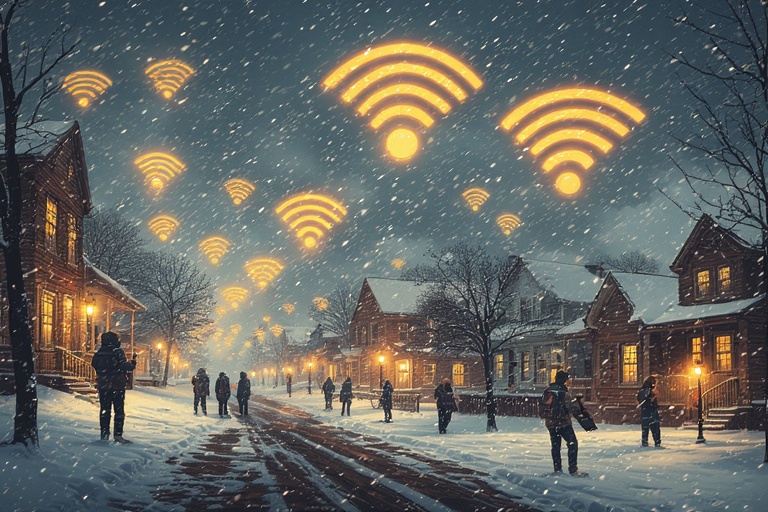
This response highlights not only the fragility of digital connectivity during natural disasters but also the growing responsibility of internet service providers (ISPs) to act as essential infrastructure partners during emergencies.
Understanding the Scope of the Winter Storm Challenge
Winter storms pose a unique set of challenges for broadband networks. Unlike isolated technical failures, weather-related disruptions often impact multiple layers of infrastructure simultaneously. Power outages disable in-home modems and routers, icy conditions delay repair crews, and damaged fiber or coaxial lines can take days to restore.
Spectrum acknowledged that the majority of service interruptions currently affecting customers in Northeast Ohio are directly linked to power outages rather than failures within the core network itself. This distinction is critical. Even when an ISP’s network backbone remains intact, customer access depends heavily on local electrical grids.
Spectrum stated that its technical teams are working closely with regional power companies, coordinating repairs wherever conditions allow safe access. However, in severe winter conditions, restoring power remains the primary bottleneck—one that no broadband provider can resolve alone.
Opening 7,400+ WiFi Access Points: A Strategic Connectivity Lifeline
One of the most impactful measures announced by Spectrum is the temporary opening of more than 7,400 Spectrum WiFi access points across Northern Ohio. These access points, typically reserved for Spectrum customers, are being made available to both customers and non-customers alike.
From a telecommunications strategy perspective, this move reflects a shift toward community-centric network resilience. Public WiFi hotspots serve as decentralized access nodes, allowing users to connect via smartphones, laptops, and tablets even when home internet service is unavailable.
These access points are often located in commercial areas, residential neighborhoods, and public spaces, making them a practical solution for:
- Residents needing to contact family members
- Remote workers attempting to maintain basic connectivity
- Students accessing educational resources
- Individuals seeking emergency updates and weather alerts
- Small businesses coordinating operations during disruptions
By opening these access points, Spectrum effectively extends its network reach without requiring new infrastructure deployment—an efficient and scalable response during emergencies.
Spectrum’s Storm Preparation Framework and Real-Time Monitoring
Spectrum has directed customers and community members to its Storm Preparation website, a centralized resource designed to provide updates, outage information, and connectivity guidance during severe weather events.
From a technical operations standpoint, storm preparation frameworks like this play a critical role in managing customer expectations and reducing misinformation. These platforms typically integrate:
- Network monitoring dashboards
- Power outage correlation data
- Estimated restoration timelines
- Safety advisories
- Access point locator tools
In modern telecom operations, transparency during outages is just as important as restoration speed. Clear communication helps reduce call center overload and allows customers to make informed decisions about alternative connectivity options.
Why Power Outages Are the Real Enemy of Internet Access
A common misconception during internet outages is that the ISP’s network has failed entirely. In reality, most winter storm disruptions stem from power loss at the local level.
Even the most robust fiber or cable network cannot deliver service if:
- Home modems lack power
- Local network nodes are offline
- Cellular towers lose backup power
- Street-level equipment becomes inaccessible
Spectrum emphasized that its teams are prepared to make network repairs wherever possible but are dependent on power restoration and safe working conditions. This underscores the interdependent nature of modern infrastructure—where telecommunications, electricity, and transportation systems must function together.
Keeping Television Services Alive Through Digital Alternatives
In addition to internet access points, Spectrum reminded television customers that content remains accessible through the Spectrum TV app. This allows users to stream live TV and on-demand programming via mobile devices, provided they have an internet connection—whether through WiFi hotspots or cellular networks.
This approach reflects a broader industry trend toward service continuity through software platforms. By decoupling content access from physical cable connections, providers can offer greater flexibility during outages.
For households dealing with storm-related stress, access to news, weather updates, and entertainment can provide both practical information and emotional relief.
The Unknown Impact: Measuring the True Scale of Outages
At the time of the announcement, Spectrum stated that the exact number of residents experiencing internet, phone, or television outages in areas such as the Mahoning Valley remained unknown.
This uncertainty is not unusual during large-scale weather events. Outage data evolves rapidly as conditions change, power is restored, and customers reconnect. From a data analytics standpoint, ISPs rely on a combination of automated monitoring, customer reports, and third-party utility updates to build an accurate picture.
The dynamic nature of these events reinforces the importance of adaptive response strategies rather than fixed restoration timelines.
Telecommunications as Critical Infrastructure in the Digital Age
The Spectrum response highlights a broader transformation within the telecommunications industry. Internet connectivity is no longer a luxury—it is critical infrastructure on par with electricity, water, and transportation.
During winter storms, internet access supports:
- Emergency communication
- Telehealth services
- Remote work continuity
- Education access
- Government alerts and coordination
By opening WiFi access points and maintaining digital service options, Spectrum positions itself not just as a service provider but as a resilience partner for the communities it serves.
A Broader Industry Trend Toward Disaster-Ready Networks
Spectrum’s actions reflect a growing industry-wide emphasis on disaster preparedness. Telecom providers are increasingly investing in:
- Backup power systems
- Redundant network paths
- Cloud-based service delivery
- Public WiFi infrastructure
- AI-driven outage detection
As climate volatility increases, extreme weather events are becoming more frequent and severe. ISPs that adapt proactively will be better positioned to maintain customer trust and regulatory confidence.
Looking Ahead: What This Means for Future Connectivity Planning
The opening of thousands of WiFi hotspots during a winter storm may seem like a temporary measure, but it signals a long-term shift in how connectivity is delivered during emergencies.
Future broadband strategies are likely to include:
- Permanent expansion of public WiFi zones
- Faster coordination with utility providers
- Greater reliance on mobile-first service continuity
- Enhanced customer self-service tools
For consumers, this means greater resilience—but also a growing expectation that connectivity should remain available even in adverse conditions.
Frequently Asked Questions (FAQs)
1. Why is Spectrum opening WiFi access points during winter storms?
Spectrum is opening access points to help residents stay connected when home internet services are disrupted by power outages.
2. How many WiFi access points are available in Northern Ohio?
More than 7,400 Spectrum WiFi access points have been opened across the region.
3. Do I need to be a Spectrum customer to use these access points?
No, the access points are available to both customers and non-customers during the storm.
4. What is causing most of the internet outages?
The majority of outages are linked to widespread power failures rather than direct network damage.
5. Where can I find information about WiFi access point locations?
Details are available on Spectrum’s Storm Preparation website.
6. Is Spectrum actively repairing its network?
Yes, Spectrum teams are working alongside power companies to restore service where conditions allow.
7. Can I still watch TV if my cable service is down?
Yes, customers can use the Spectrum TV app to stream content online.
8. How does extreme cold affect internet infrastructure?
Cold weather can damage equipment, delay repairs, and disrupt power, all of which impact connectivity.
9. Are these measures temporary or permanent?
The WiFi access opening is temporary, but it reflects a long-term shift toward emergency connectivity planning.
10. What does this mean for future internet reliability?
It suggests a growing focus on network resilience and community support during extreme weather events.