AI Powered Meme Warfare Shapes Modern Geopolitical Narratives And Influence

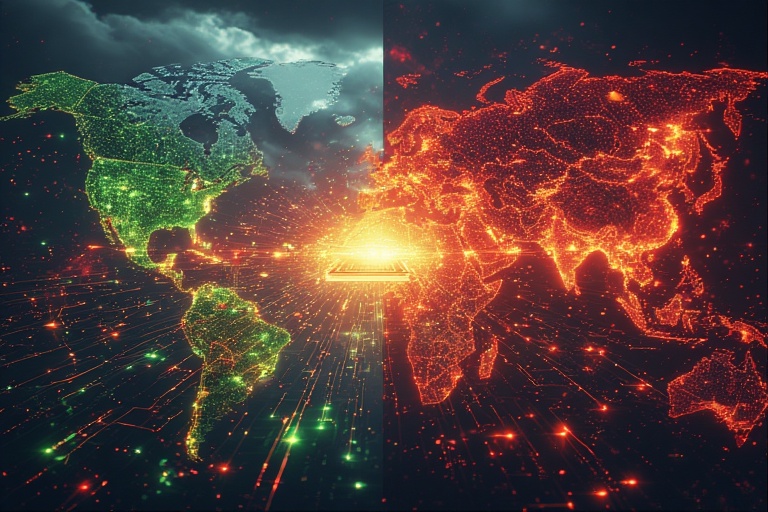
AI Meme Warfare: How Digital Propaganda Is Reshaping Modern Geopolitics

The nature of warfare has undergone a profound transformation in the digital age. While traditional conflicts rely on military strength, logistics, and strategic positioning, modern geopolitical battles increasingly unfold in the realm of information. Artificial intelligence has emerged as a powerful tool in this domain, enabling actors to shape narratives, influence public perception, and amplify ideological messaging at an unprecedented scale. Recent developments involving pro-Iran groups highlight how AI-generated content is being used to influence global discourse. These efforts are not limited to domestic audiences but are specifically tailored to resonate with Western populations, particularly in the United States. By … Read more

CIA Integrates AI Co Workers To Transform Intelligence Analysis Systems

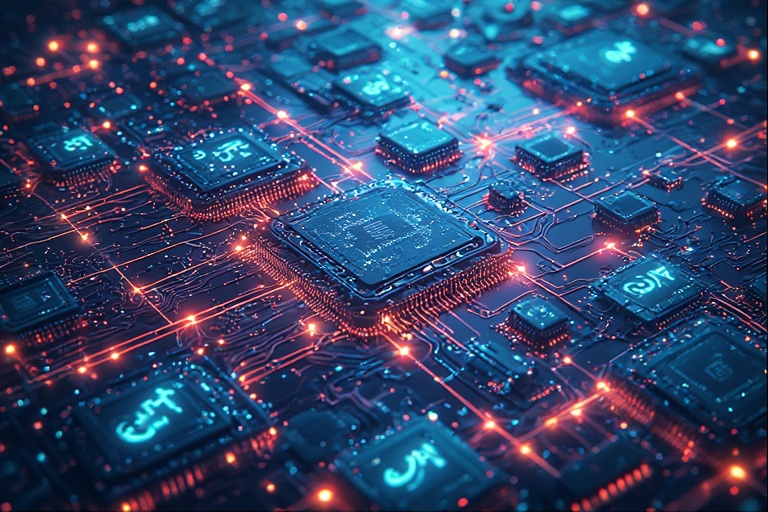
CIA’s AI Transformation: Redefining Intelligence Analysis in the Age of Machine Collaboration

For nearly eight decades, the Central Intelligence Agency has served as the analytical backbone of the United States intelligence community. Its mission has remained consistent: gather fragmented information from human sources, signals intelligence, and covert operations, then synthesize that data into actionable insights for policymakers. Today, that mission is undergoing a profound transformation. The integration of artificial intelligence into intelligence workflows marks one of the most significant shifts in the agency’s history. Under the direction of leadership figures such as Michael Ellis, the agency is moving toward a future where AI systems act as embedded collaborators—“co-workers”—within its analytic platforms. This … Read more

ByteDance’s $14 Billion AI Chip Gamble Signals a New Phase of Global Tech Competition

ByteDance Bets Big on AI Chips as Global Computing Race Accelerates

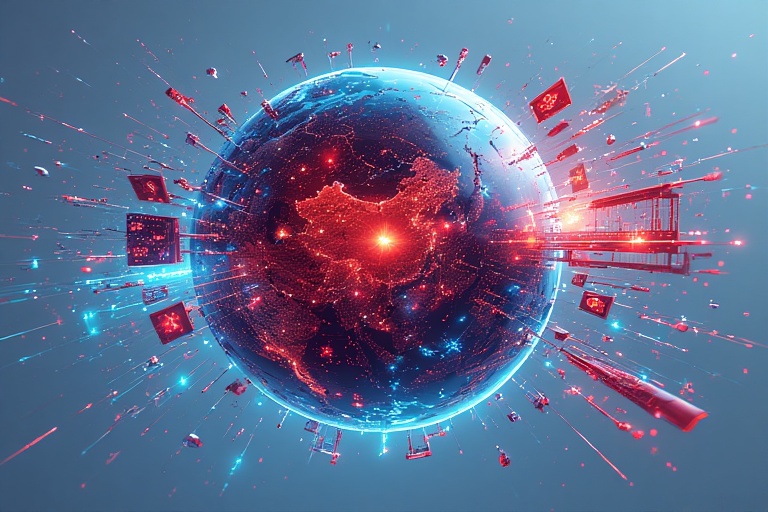
ByteDance, the Chinese technology giant best known as the parent company of TikTok and Douyin, is preparing to dramatically scale its artificial intelligence infrastructure in 2026. According to people familiar with the matter, the Beijing-based unicorn plans to allocate approximately 100 billion yuan, or nearly US$14 billion, toward purchasing advanced AI chips from Nvidia next year—assuming regulatory approvals allow the U.S. chipmaker to sell its H200 graphics processing units to Chinese customers. This proposed investment represents a significant increase from ByteDance’s estimated chip spending of around 85 billion yuan in 2025 and underscores how rapidly computing demand is expanding across … Read more

Trump’s Nvidia Strategy Risks Reshaping Global AI Power And Supply Chains

Nvidia, China, and the New Front Line of Artificial Intelligence Power

The global race for artificial intelligence dominance has entered a decisive and deeply political phase. What once appeared to be a competition over algorithms, talent, and innovation has increasingly become a struggle over physical infrastructure—specifically, advanced semiconductors. At the center of this contest stands Nvidia, the American chipmaker whose graphics processing units have become the backbone of modern AI development. Donald Trump’s renewed focus on reshaping America’s export-control regime around Nvidia reflects a broader ambition: to entrench U.S. leadership in artificial intelligence by controlling access to the most critical hardware inputs. Yet while the strategy is bold in intent, its … Read more

How China’s Digital Culture Quietly Became a Global Soft Power Force

China’s Soft Power Is Quietly Flooding the World Through a Censored Internet

For decades, China struggled with an uncomfortable paradox. It became one of the most economically powerful nations on Earth, yet its cultural influence lagged far behind its financial and industrial reach. Unlike the United States, whose movies, music, and tech brands shaped global imagination, or Japan and South Korea, whose anime and K-pop captivated younger generations worldwide, China’s cultural footprint felt limited, state-driven, and often uninspiring. That reality has changed — and it has changed in a way few policymakers, analysts, or even Beijing’s own planners fully anticipated. Today, Chinese cultural products are breaking into global mainstream consciousness at a … Read more