

Long before social media algorithms and polished web design dominated our online experiences, the internet was a wild, chaotic, and sometimes unforgiving playground. For those who came of age during the early days of connectivity, the web was not just a tool—it was a teacher, shaping curiosity, resilience, and digital literacy in ways that continue to influence behavior today.
Experiencing the internet in its unrefined, pre-corporate form demanded patience, focus, and creativity. Every login was a gamble, every download a test of judgment, and every interaction an experiment in social norms. Unlike the modern online ecosystem, which encourages endless scrolling and dopamine-driven engagement, the early internet instilled a structured approach to exploration, one in which intention, resource management, and personal expression were paramount.
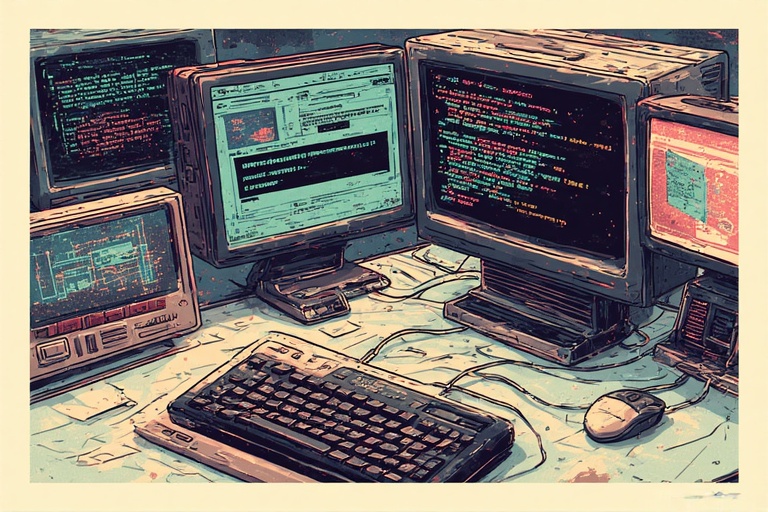
By analyzing these formative experiences, we gain insight into how digital culture evolved and why early adopters retain skills and perspectives that are rare in today’s algorithmically curated environments.
Dial-Up: Patience, Focus, and Intentionality
For the modern reader, the sound of a dial-up modem—a series of beeps, screeches, and static-like bursts—may evoke nostalgia, anxiety, or both. In the late 1990s and early 2000s, connecting to the internet was an intentional ritual. The home needed to be quiet, the landline free, and the user patient as the connection bar crawled upward.
This ritual instilled an important habit: digital intention. Online sessions were finite, defined by necessity. Users prioritized tasks, whether checking emails, downloading files, or visiting a single cherished website. Unlike today’s endless, buffet-style access to content, dial-up encouraged measured consumption and deliberate exploration.
The consequences of impatience were immediate. A dropped connection could erase progress, a failed download meant wasted time, and an interrupted email could compromise communication. In effect, dial-up trained early internet users to optimize focus, manage digital resources, and treat online engagement as a valuable and limited commodity—a lesson that translates directly into modern productivity, decision-making, and even approaches to learning and career development.
Screen Names and Away Messages: Constructing Digital Identity
Before the ubiquity of social media profiles and verified accounts, users expressed identity through screen names and away messages on AIM, MSN Messenger, and ICQ. These digital pseudonyms were often elaborate, incorporating personal interests, stylistic flourishes, or cryptic references to music, pop culture, or philosophy.
Away messages served as micro-broadcasts of emotion, intention, and personality. They were early experiments in personal branding and social signaling. Users learned to communicate identity clearly and creatively in the absence of real-time engagement, a skill that remains relevant in crafting professional profiles, portfolios, and social media narratives today.
This environment cultivated self-awareness and social literacy. Crafting an identity through text encouraged introspection and reflection, emphasizing the power of words in digital communication—a sharp contrast to today’s reliance on emoji-driven shorthand or algorithmically curated persona management.
Sketchy Downloads and Digital Consequences
The era of Napster, LimeWire, Kazaa, and other peer-to-peer platforms was both exhilarating and educational. Users learned firsthand that convenience often came at a cost. A downloaded song might turn out to be a corrupted file, a mislabeled track, or even malware in disguise.
These experiences fostered digital discernment. Early internet users became adept at evaluating source credibility, interpreting filenames, and exercising caution with downloads—skills that directly inform contemporary cybersecurity awareness and risk assessment.
Moreover, these experiences created a nuanced understanding of cause-and-effect online. Just as a hasty decision in file sharing could have immediate consequences, so too do modern online choices—whether in financial transactions, social interactions, or data privacy—require attentiveness and discernment.
Personal Websites: Experimentation, Creativity, and Resilience
Geocities, Angelfire, and early HTML experiments were laboratories for self-expression. Neon text, animated GIFs, autoplaying music, and clunky layouts created chaotic, often humorous digital spaces. Yet these sites represented more than aesthetic missteps—they were first attempts at building a public presence, testing creativity, and tolerating imperfection.
The lesson extends beyond nostalgia. Early web creators learned iterative design, problem-solving, and resilience in the face of criticism or technical failure. They discovered that visibility, feedback, and risk-taking are essential for growth, whether in digital media, entrepreneurship, or creative professions. These messy, unpolished projects underscored that skill and confidence are developed through practice, exposure, and persistence, not innate talent.
Forums and Online Communities: The Mechanics of Belonging
Before the age of social media, forums were the epicenters of digital discourse. Message boards were structured, often fiercely moderated, and rewarded substantive contributions. Users learned that reputation, trust, and belonging were earned through effort, collaboration, and adherence to community norms.
Forums instilled critical social skills, including conflict resolution, empathy, and persuasive communication. Navigating these spaces demanded attention to context, recognition of norms, and the capacity to debate respectfully—all skills transferable to professional and real-world social interactions.
Additionally, forums highlighted the importance of expertise and mentorship. Active participants often rose to positions of informal authority, cultivating knowledge, credibility, and digital influence long before influencer culture became mainstream.
Flash Games and Digital Exploration: Structured Curiosity
Newgrounds, Miniclip, and other Flash-based platforms offered immersive, creative, and sometimes chaotic experiences. These games taught users how to explore systems, develop pattern recognition, and sustain attention through iterative challenges.
The unstructured nature of these experiences fostered exploration, problem-solving, and intrinsic motivation. Unlike modern infinite-scroll platforms designed to maximize engagement passively, early internet rabbit holes encouraged active discovery, curiosity, and intentional learning. Users learned to balance persistence with judgment—a critical skill in both personal growth and professional contexts.
Chain Emails and Early Virality: Understanding Social Influence
Chain emails, viral memes, and early internet challenges were primitive but powerful lessons in social influence. Even when users understood the absurdity of “send this to 10 friends or face bad luck,” they experienced the subtle psychology of peer pressure, reciprocity, and FOMO (fear of missing out).
These early experiences created fluency in digital social dynamics, allowing users to interpret trends, evaluate cultural relevance, and recognize manipulation. The ability to navigate these pressures with critical thinking and intentionality remains a valuable skill in the era of algorithmic virality and social media marketing.
Modern Relevance: Lessons for Today’s Digital World
Reflecting on these early experiences, several patterns emerge:
- Intentional Consumption: Users learned to value quality over quantity and engage with purpose rather than distraction.
- Digital Literacy: Early exposure to risk, errors, and technical troubleshooting cultivated critical thinking and adaptability.
- Creative Expression: Experimental websites and content creation taught resilience, iteration, and public presentation skills.
- Community Engagement: Forums and chat networks fostered collaboration, mentorship, and social responsibility.
- Curiosity with Boundaries: Structured exploration encouraged learning while maintaining discernment—a skill rarely emphasized in today’s endless scrolling culture.
These lessons remain highly applicable to modern digital life, informing best practices in content consumption, cybersecurity, personal branding, and social interaction.
Conclusion: Nostalgia as a Lens for Growth
The early internet was chaotic, unpolished, and at times overwhelming. Yet it provided an invaluable training ground for a generation of digital natives who learned patience, intention, creativity, community, and digital literacy in ways that modern platforms often fail to cultivate.
Understanding and integrating these lessons can help users navigate contemporary digital life with mindfulness and agency. By bringing back intentionality, curiosity, and accountability, we can reclaim the best aspects of the early internet while avoiding the pitfalls of algorithmic manipulation and passive consumption.
Being “extremely online” before it was normalized gave early adopters an advantage: the ability to distinguish between using the internet as a tool and being used by it. Applying these insights beyond the digital sphere—into work, relationships, and personal development—remains one of the most enduring legacies of that era.
FAQs
- What lessons did early internet users learn from dial-up?
Patience, intentionality, focus, and resource management. - How did AIM and MSN shape digital identity?
They taught self-expression, communication skills, and early personal branding. - What were the risks of downloading music or files early online?
Users learned to evaluate sources, anticipate consequences, and protect digital safety. - Why are early personal websites significant?
They encouraged creativity, experimentation, resilience, and public self-expression. - How did forums contribute to social development?
They taught community engagement, reputation management, and critical discourse. - What skills did Flash games develop?
Problem-solving, exploration, pattern recognition, and sustained attention. - How did chain emails influence early internet users?
They introduced concepts of social influence, peer pressure, and virality. - Why are early internet lessons relevant today?
They inform intentional content consumption, digital literacy, and online behavior. - Can modern internet users apply these lessons?
Yes, through mindfulness, deliberate engagement, and curiosity-driven exploration. - What is the legacy of being extremely online early?
A generation skilled at using technology consciously rather than being passively consumed by it.