

In today’s hyperconnected world, digital platforms are no longer passive tools; they are highly engineered environments designed to capture and sustain human attention. What appears to be harmless scrolling, gaming, or browsing is often the result of deeply intentional design strategies rooted in behavioral science, neuroscience, and even gambling psychology. Over the past decade, researchers and industry insiders have uncovered a striking truth: many of the features that keep users glued to their screens are not accidental but carefully constructed mechanisms aimed at maximizing engagement.
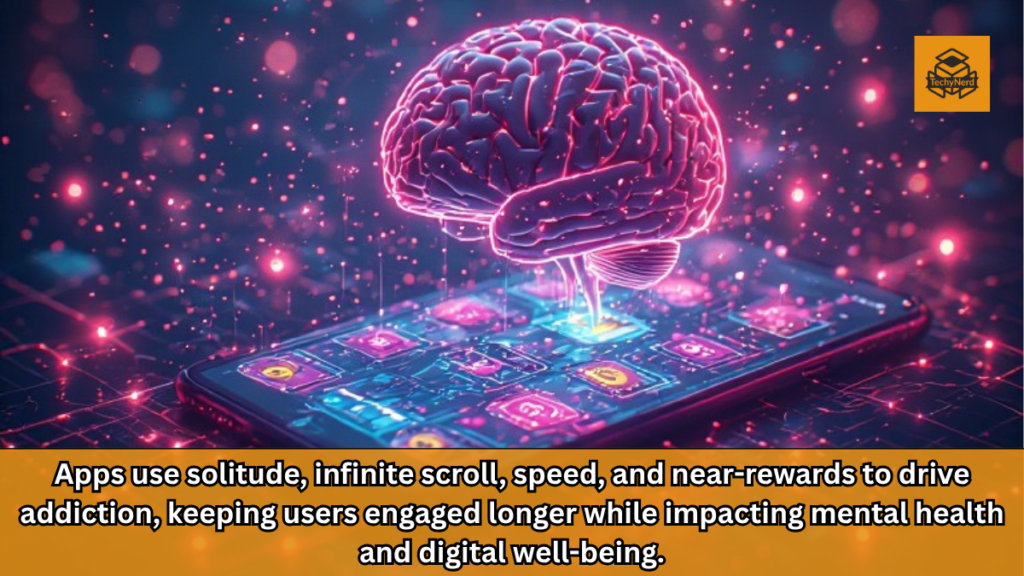
The implications of this design philosophy extend far beyond productivity concerns. They touch on mental health, childhood development, and the ethical responsibilities of technology companies. At the center of this conversation lies a set of four core design principles that have proven remarkably effective at driving prolonged usage. These principles—solitude, bottomlessness, speed, and teasing—form the backbone of what can be described as the modern attention economy.
The Gambling Connection: Origins of Addictive Design
To understand the architecture of app addiction, one must look beyond Silicon Valley and into the history of the casino industry. In the late twentieth century, video slot machines emerged as one of the most addictive forms of gambling ever created. Unlike traditional casino games, these machines were designed not for social interaction or skill-based play but for continuous, solitary engagement.
Researchers studying gambling behavior identified a phenomenon known as the “machine zone,” a trance-like state in which players lose awareness of time, surroundings, and even their own physical needs. This state is not incidental; it is the product of deliberate design choices aimed at creating a seamless, immersive experience.
What is particularly noteworthy is how these principles migrated into the digital ecosystem. As smartphones and high-speed internet became ubiquitous in the early 2010s, app developers began integrating similar mechanisms into social media platforms, video streaming services, and mobile games. The result is a digital environment that mirrors the psychological pull of a casino, albeit in a more socially acceptable form.
Feature One: Solitude and the Removal of Social Friction
One of the foundational elements of addictive design is solitude. When users interact with a device in isolation, they are removed from the social cues that typically regulate behavior. In physical environments, other people often serve as implicit boundaries, signaling when it is time to stop or shift activities. In contrast, a solitary digital experience lacks these cues, allowing engagement to continue unchecked.
This dynamic is particularly concerning for younger users. Children and teenagers who use devices alone—especially in private spaces like bedrooms—are more likely to develop patterns of excessive use. Without external feedback or intervention, they may continue engaging with apps even when it negatively impacts their sleep, academic performance, or social relationships.
From a design perspective, solitude is not merely a byproduct but a feature. Personal devices are optimized for individual use, creating a direct and uninterrupted relationship between the user and the platform. This one-to-one interaction intensifies engagement and reduces the likelihood of self-regulation.
Feature Two: Bottomlessness and the Illusion of Infinite Content
The concept of bottomlessness refers to the absence of natural stopping points within an app. Traditional media formats—such as books, television episodes, or physical games—have defined beginnings and endings. Digital platforms, however, are designed to be infinite.
Infinite scroll, autoplay videos, and continuous content feeds create an environment where there is always something new to consume. This design eliminates the psychological cues that signal completion or satisfaction. Users are not presented with a clear endpoint; instead, they are encouraged to keep going indefinitely.
The impact of this feature is profound. Without a natural stopping point, users are more likely to lose track of time and overconsume content. This is particularly effective when combined with other design elements, such as personalization algorithms that ensure the content remains relevant and engaging.
Feature Three: Speed and the Acceleration of Feedback Loops
Speed is another critical component of addictive design. The faster a user can interact with an app—scrolling, tapping, or watching—the more opportunities there are for engagement. Rapid feedback loops create a sense of immediacy and immersion, drawing users deeper into the experience.
High-speed internet and optimized user interfaces have significantly enhanced this effect. Content loads instantly, transitions are seamless, and interactions require minimal effort. This frictionless experience reduces the cognitive load associated with decision-making, allowing users to remain in a continuous state of consumption.
From a psychological standpoint, speed amplifies the reward system. Quick access to new content or feedback triggers dopamine responses, reinforcing the behavior and encouraging repetition. Over time, this can lead to habitual usage patterns that are difficult to break.
Feature Four: Teasing and the Power of Near Rewards
Perhaps the most sophisticated element of addictive design is teasing, or the strategic use of near rewards. Unlike traditional reward systems that provide clear outcomes, modern apps often deliver content that is close to what the user desires but not quite satisfying.
This approach leverages a psychological principle known as variable reward. By offering intermittent and unpredictable rewards, platforms create a sense of anticipation and curiosity. Users are motivated to continue engaging in the hope of encountering something more satisfying.
Artificial intelligence plays a crucial role in this process. Algorithms analyze user behavior to predict preferences and deliver content that aligns with those interests. However, instead of providing the exact match, the system often introduces slight variations, maintaining a sense of novelty and unpredictability.
This mechanism is particularly effective because it taps into the human tendency to seek completion. The promise of a better or more relevant piece of content keeps users engaged, even when the current experience is only partially fulfilling.
The Synergy of Features: A Perfect Storm for Overuse
Individually, each of these features can influence user behavior. When combined, they create a powerful system that encourages prolonged engagement. Solitude removes external constraints, bottomlessness eliminates stopping points, speed accelerates interaction, and teasing sustains interest.
This combination forms a feedback loop that can lead to excessive use. Users become immersed in the experience, losing track of time and often continuing beyond their initial intent. While this may be beneficial for platform metrics such as user retention and engagement, it raises significant concerns about well-being.
Impact on Children and Adolescents
The effects of these design principles are particularly pronounced among younger users. Children and teenagers are still developing the cognitive and emotional skills needed for self-regulation. As a result, they are more susceptible to the pull of addictive design.
Excessive screen time has been linked to a range of issues, including sleep disruption, reduced physical activity, and mental health challenges. While not all screen use is harmful, the presence of addictive design features increases the likelihood of problematic usage patterns.
Parents and educators face a complex challenge in addressing this issue. Restricting access is one approach, but it does not address the underlying design mechanisms. A more comprehensive solution may involve a combination of education, regulation, and industry accountability.
Industry Accountability and Legal Challenges
The growing awareness of addictive design has led to increased scrutiny of technology companies. Legal cases and regulatory initiatives are beginning to address the ethical implications of these practices. Some argue that platforms should be held accountable for the impact of their design choices, particularly when it comes to vulnerable populations.
At the same time, companies often defend their practices by emphasizing user choice and the benefits of engagement. This tension highlights the need for a balanced approach that considers both innovation and responsibility.
Toward Ethical Design: Rethinking Engagement
As the conversation around digital well-being continues to evolve, there is a growing call for more ethical design practices. This includes introducing features that promote healthy usage patterns, such as time limits, usage reminders, and clearer stopping points.
Designers and developers have an opportunity to rethink the metrics that drive their decisions. Instead of focusing solely on engagement, they can prioritize user satisfaction and long-term well-being. This shift would require a fundamental change in how success is measured within the industry.
Conclusion: Awareness as the First Line of Defense
The architecture of app addiction is complex, but it is not invisible. By understanding the design principles that drive engagement, users can make more informed choices about how they interact with digital platforms. Awareness is a critical first step in mitigating the impact of these features.
For policymakers, educators, and industry leaders, the challenge lies in balancing the benefits of technology with the need to protect users. As digital platforms continue to evolve, so too must the frameworks that govern their design and use.
The future of the attention economy will depend on whether it can align with the broader goals of human well-being. Achieving this balance will require collaboration, innovation, and a commitment to ethical responsibility.
FAQs
1. Why are apps designed to be addictive?
Apps are designed to maximize engagement, which directly impacts revenue through ads and subscriptions.
2. What is the “machine zone”?
It is a trance-like state where users lose track of time while interacting with highly engaging systems.
3. How does infinite scroll affect users?
It removes stopping cues, encouraging continuous and prolonged usage.
4. Why is speed important in app design?
Fast interactions increase dopamine responses and keep users engaged longer.
5. What are variable rewards in apps?
They are unpredictable rewards that keep users returning for better outcomes.
6. Are children more vulnerable to these designs?
Yes, due to developing self-control and emotional regulation abilities.
7. Can these features impact mental health?
Excessive use linked to these designs can affect sleep, focus, and emotional well-being.
8. Are all apps using these techniques harmful?
Not necessarily, but overuse and lack of control can make them problematic.
9. How can users reduce app addiction?
By setting limits, turning off autoplay, and being mindful of usage habits.
10. Is regulation needed for app design?
Many experts believe regulation could help ensure ethical design practices.