

The digital reading revolution has been one of the most transformative shifts in consumer technology over the past two decades. At the center of this evolution stands the Kindle, a device that fundamentally changed how people access and consume books. Now, a significant chapter in that journey is coming to a close as Amazon prepares to discontinue support for several early-generation Kindle devices.
Beginning May 20, 2026, users of Kindle devices released in 2012 and earlier will no longer be able to purchase, borrow, or download new content directly from the Kindle Store on those devices. While existing libraries will remain accessible, the inability to interact with the store marks a fundamental shift in how these devices function.
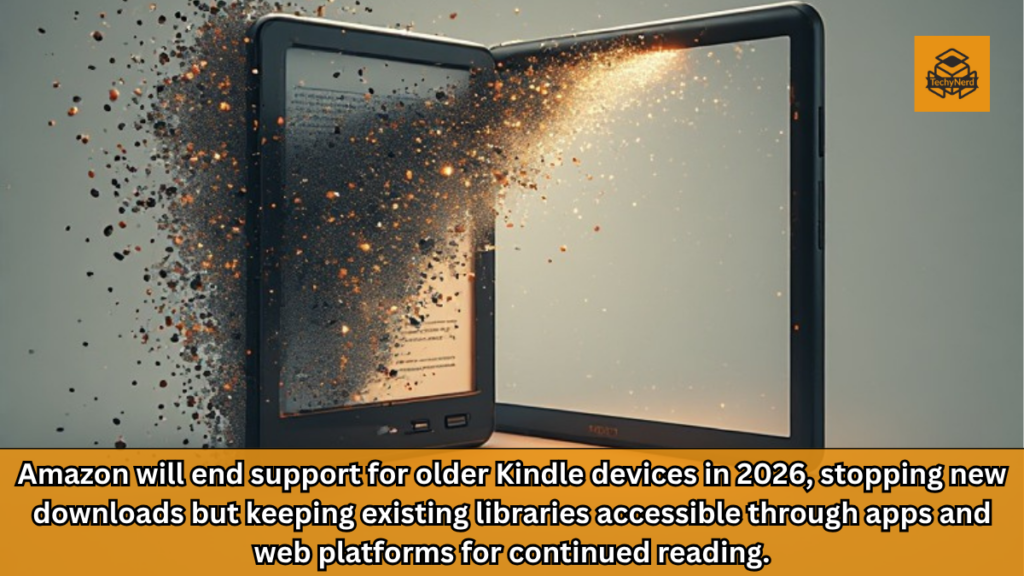
This decision reflects broader trends in the technology industry, where long-term support eventually gives way to innovation, efficiency, and evolving user expectations.
The Evolution of Kindle: From Disruption to Legacy
When the first Kindle launched in 2007, it introduced a new paradigm for reading. It combined e-ink display technology with wireless connectivity, allowing users to download books instantly without visiting a physical store. Over time, subsequent models improved in design, performance, and functionality, solidifying Kindle’s position as a leader in the e-reader market.
Devices such as the Kindle Keyboard, Kindle Touch, and early Kindle Paperwhite models played a crucial role in expanding the adoption of digital reading. These products were designed for longevity, with many remaining in active use for over a decade.
However, the pace of technological advancement has accelerated significantly since those early years. Features such as higher-resolution displays, faster processors, improved battery efficiency, and enhanced software capabilities have redefined user expectations.
Understanding the Discontinuation Decision
Amazon’s decision to discontinue support for older Kindle devices is rooted in several key factors. One of the most significant is the evolution of software and security requirements. Maintaining compatibility with legacy hardware can limit the ability to introduce new features and improvements.
Additionally, older devices may lack the processing power and connectivity standards required to support modern digital services. As the Kindle ecosystem continues to evolve, ensuring a consistent and high-quality user experience becomes increasingly challenging when supporting outdated hardware.
The company has emphasized that these devices have received extensive support, ranging from 14 to 18 years. In the technology industry, this level of longevity is exceptional, reflecting Amazon’s commitment to its customers.
Impact on Users: What Changes and What Remains
For users of affected devices, the most significant change is the loss of direct access to the Kindle Store. This means that purchasing, borrowing, or downloading new e-books on the device will no longer be possible.
However, it is important to note that existing content will remain accessible. Users will still be able to read previously downloaded books and access their Kindle libraries through alternative platforms such as the Kindle app and web-based services.
This approach ensures that users do not lose their purchased content, preserving the value of their digital libraries. At the same time, it encourages a transition to newer devices that offer enhanced functionality.
The List of Affected Devices
The discontinuation affects a range of early Kindle models, including first-generation devices and subsequent iterations released up to 2012. These devices represent the foundational years of Kindle’s development and include both e-readers and early Kindle Fire tablets.
While these products were once at the forefront of innovation, they now fall outside the scope of modern software support. Their continued use highlights the durability and reliability of Kindle hardware, even as the technology landscape evolves.
Transition Strategies and Customer Support
Amazon has taken steps to ease the transition for affected users. The company is actively notifying customers who are still using these devices and offering promotional incentives to encourage upgrades.
These promotions may include discounts on newer Kindle models, making it more accessible for users to transition to updated hardware. This strategy not only supports customers but also aligns with Amazon’s broader goal of maintaining a cohesive and modern ecosystem.
By providing multiple options for accessing content, Amazon ensures that users can continue to enjoy digital reading without significant disruption.
The Broader Industry Context
The discontinuation of legacy Kindle devices is not an isolated घटना but part of a broader industry trend. Technology companies regularly phase out older hardware to focus on innovation and efficiency.
This practice allows companies to allocate resources more effectively, prioritizing the development of new features and technologies. It also ensures that users benefit from improved performance, security, and functionality.
In the context of digital reading, this shift reflects the ongoing evolution of content delivery and consumption. As user expectations continue to rise, maintaining outdated systems becomes increasingly impractical.
Digital Ownership and Ecosystem Dependence
One of the key considerations in this transition is the concept of digital ownership. Unlike physical books, e-books are tied to specific platforms and ecosystems. This creates a dependency on the provider’s infrastructure and policies.
Amazon’s decision highlights the importance of understanding these dynamics. While users retain access to their purchased content, the functionality of the devices themselves is subject to change.
This raises broader questions about the long-term sustainability of digital ecosystems and the balance between innovation and user autonomy.
Technological Progress Versus Longevity
The Kindle discontinuation underscores the tension between technological progress and device longevity. On one hand, innovation drives improvements in performance, usability, and features. On the other hand, it can render older devices obsolete.
Amazon’s approach demonstrates a balance between these factors. By supporting devices for over a decade, the company has provided significant value to its users. At the same time, it recognizes the need to move forward and embrace new technologies.
This balance is essential for sustaining growth and maintaining competitiveness in the technology sector.
The Future of Digital Reading
Looking ahead, the future of digital reading is likely to be shaped by advancements in display technology, artificial intelligence, and content integration. Features such as adaptive reading interfaces, enhanced accessibility, and personalized recommendations will play a key role in defining the next generation of e-readers.
Newer Kindle devices are already incorporating these innovations, offering improved user experiences and greater versatility. As the ecosystem continues to evolve, users can expect even more sophisticated tools for accessing and engaging with content.
The discontinuation of legacy devices is a step toward this future, enabling Amazon to focus on developing cutting-edge solutions.
Conclusion: A Necessary Transition in a Dynamic Industry
The decision by Amazon to discontinue support for older Kindle devices marks the end of an important chapter in the history of digital reading. It reflects the realities of technological progress and the need to adapt to changing user expectations.
While the transition may present challenges for some users, it also opens the door to new opportunities and innovations. By embracing updated devices and platforms, readers can continue to enjoy the benefits of digital reading in an increasingly advanced ecosystem.
Ultimately, this shift highlights the dynamic nature of the technology industry, where evolution is not only inevitable but essential.
FAQs
1. When will Kindle support end for older devices?
Support will end on May 20, 2026.
2. Which devices are affected?
Kindle devices released in 2012 and earlier.
3. Can users still read existing books?
Yes, previously downloaded content remains accessible.
4. Will users lose their Kindle libraries?
No, libraries remain available through apps and web access.
5. Can new books be purchased on old devices?
No, store access will be disabled on those devices.
6. Are there upgrade options available?
Yes, Amazon is offering promotions for newer devices.
7. Why is Amazon ending support?
Due to technological advancements and evolving software requirements.
8. How long were these devices supported?
Between 14 and 18 years.
9. Can users transfer content to new devices?
Yes, content is linked to the user’s account.
10. Is this a common industry practice?
Yes, phasing out legacy devices is standard in tech.