

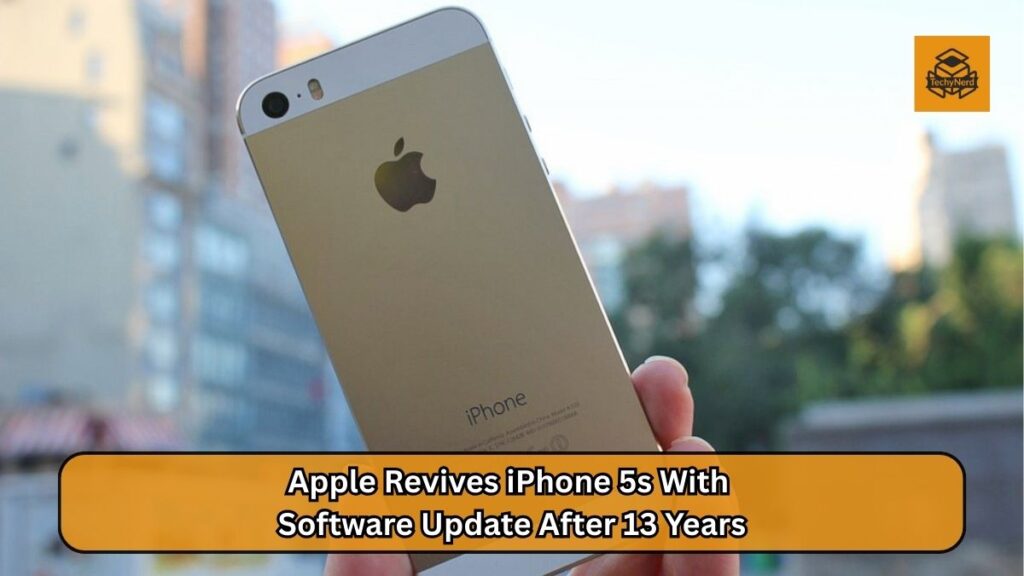
In an industry obsessed with speed, novelty, and constant upgrades, longevity is rarely celebrated. Smartphones are typically considered obsolete within five to six years, both technologically and commercially. Yet in January 2026, Apple quietly disrupted this narrative by releasing iOS 12.5.8—a fresh software update for the iPhone 5s, a device launched way back in September 2013.
This move extends meaningful functionality on a smartphone that is now 13 years old, a milestone that is almost unheard of in the consumer electronics space. Alongside the iPhone 5s, Apple also released the same update for the iPhone 6, which debuted in 2014, further reinforcing Apple’s unique stance on long-term device support.
This is not merely a patch. It is a strategic statement about ecosystem control, digital certificates, security continuity, and Apple’s long game in consumer trust.
The iPhone 5s: A Device That Changed Apple’s Trajectory
When Apple launched the iPhone 5s, it was more than an incremental upgrade. It introduced Touch ID, a fingerprint sensor that normalized biometric authentication worldwide. It also debuted the A7 chip, the first 64-bit processor in a smartphone, setting the tone for Apple’s silicon dominance years before Apple Silicon Macs became reality.
At the time, critics questioned whether such forward-looking hardware would matter. Thirteen years later, Apple’s latest update proves that it did.
Understanding iOS 12.5.8: Why This Update Matters
The newly released iOS 12.5.8 is not designed to add features or modern UI elements. Instead, it serves a far more fundamental purpose:
Apple has extended the digital certificates required for:
- iMessage
- FaceTime
- Device activation
- Core Apple network authentication
Without this update, certificate expiration would have rendered these services unusable after January 2027, effectively breaking essential communication and activation features on millions of legacy devices still in circulation worldwide.
By proactively extending these certificates, Apple has ensured that these older iPhones remain functional—not just powered on, but meaningfully usable.
Why Certificate Expiration Is a Big Deal
Most users never think about digital certificates, but they are the invisible backbone of modern devices. Certificates validate identity, encrypt communication, and allow secure access to Apple’s servers.
When certificates expire:
- Devices may fail activation
- Secure services stop working
- Messaging and calling break silently
Apple’s decision to update certificates on a 13-year-old phone shows a rare willingness to maintain backend compatibility long after commercial relevance has ended.
Apple’s Long-Term Support Philosophy Explained
Apple officially commits to five years of security updates per iPhone model. However, history shows that Apple often exceeds this promise when core infrastructure is involved.
The iPhone 5s last received security updates in January 2023. Many assumed that was the end. Instead, Apple has now re-entered the lifecycle of this device three years later.
This pattern reflects Apple’s broader ecosystem strategy:
- Preserve user trust
- Maintain service reliability
- Reduce fragmentation
- Support enterprise and institutional deployments
Many governments, schools, and developing markets still rely on older iPhones for secure communication.
iPhone 6 and iPhone 6s: Extending the Legacy
Alongside the iPhone 5s, Apple also released updates for:
- iPhone 6 (launched 2014, now 12 years old)
- iPhone 6s (launched 2015, now 11 years old)
The iPhone 6s received iOS 15.8.6, extending the same certificate functionality.
This reinforces a clear message: Apple does not abruptly abandon functional hardware.
Apple vs Android: A Stark Contrast
In the Android ecosystem, most devices stop receiving updates after 2–3 years. Even flagship Android phones rarely cross the five-year mark for meaningful support.
Apple’s latest move puts into perspective:
- How tightly Apple controls its hardware and software
- Why iPhones retain resale and reuse value
- Why enterprises prefer iPhones for long deployments
This update alone strengthens Apple’s argument for sustainability and responsible tech longevity.
Environmental and Sustainability Implications
By keeping older devices operational:
- Fewer phones are discarded
- Electronic waste is reduced
- Users in developing regions benefit
- Secondary markets thrive
Apple often talks about environmental responsibility. This update quietly supports that mission far more effectively than marketing campaigns.
Who Is Still Using the iPhone 5s in 2026?
You might be surprised. The iPhone 5s is still used by:
- Senior citizens
- Children
- Backup phone users
- Rural users
- Emerging markets
- Point-of-sale systems
- Secure communication devices
Keeping these devices active reduces pressure on users to upgrade purely for service access.
Apple’s Silent Updates Strategy
Notably, Apple did not heavily promote this update. There was no keynote mention, no blog post spotlight.
This quiet release suggests:
- Infrastructure maintenance rather than marketing
- A backend-driven necessity
- Long-term ecosystem hygiene
Apple updates when it must, not just when it sells.
Broader Context: Apple Also Released iOS 18 and iOS 16 Updates
On the same day, Apple rolled out:
- New builds of iOS 18 for modern iPhones
- Updates to iOS 16 for mid-generation devices
This shows Apple’s ability to manage multiple generations of iOS simultaneously, a rare engineering feat at global scale.
Why This Matters to the Tech Industry
From an industry standpoint, this update:
- Sets new expectations for device longevity
- Raises consumer trust benchmarks
- Pressures competitors to rethink support timelines
- Reinforces Apple’s ecosystem lock-in advantag
Longevity is now a competitive feature.
Frequently Asked Questions (FAQs)
1. What is iOS 12.5.8?
It is a maintenance update extending digital certificates for older iPhones.
2. Which devices received this update?
iPhone 5s and iPhone 6.
3. Why is this update important?
It keeps iMessage, FaceTime, and activation working beyond 2027.
4. Does this add new features?
No, it focuses on backend service continuity.
5. When was the iPhone 5s launched?
September 2013.
6. Is Apple still supporting old iPhones?
Yes, selectively for critical services.
7. Will apps still update on iPhone 5s?
Most modern apps no longer support iOS 12.
8. Is this a security update?
It includes infrastructure-level security extensions.
9. How long will services now work?
At least until January 2027.
10. Is Apple unique in doing this?
Yes, no other major smartphone maker offers support this long.