

For nearly a decade, Android Auto and Apple CarPlay represented one of the most consumer-friendly evolutions in automotive technology. They transformed car infotainment systems from clunky, poorly designed interfaces into familiar smartphone-driven experiences. Navigation became smarter, music streaming became effortless, and voice assistants brought hands-free control into daily commutes.
Yet as the automotive industry enters a new phase defined by software-defined vehicles, artificial intelligence, and recurring digital revenue, many car manufacturers are quietly reassessing this relationship. What once looked like a perfect partnership between tech companies and automakers is now increasingly viewed as a strategic liability.
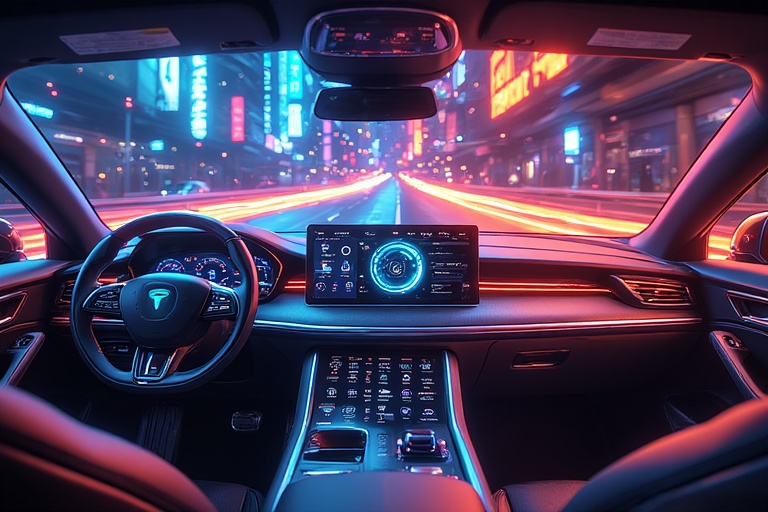
The gradual removal—or outright refusal to support—Android Auto is not a coincidence. It is part of a broader transformation in how carmakers see data ownership, customer relationships, and long-term profitability.
From Hardware Companies to Software Platforms
Modern vehicles are no longer judged solely by horsepower, range, or exterior design. They are increasingly evaluated as rolling computers. Over-the-air updates, AI-assisted driving features, digital dashboards, and subscription-based services have become central to how manufacturers differentiate their products.
Android Auto, by design, places Google—and the user’s smartphone—at the center of the infotainment experience. Navigation data, voice commands, music preferences, and app interactions flow primarily through the phone’s ecosystem. While this benefits consumers, it limits how much insight automakers gain into driver behavior.
In an era where data fuels everything from personalization to predictive maintenance and targeted services, surrendering that data stream is a growing concern for carmakers.
Data Ownership Is the Real Battleground
At the core of the shift away from Android Auto lies a fundamental issue: control. When drivers use Android Auto, Google and the smartphone manufacturer retain visibility into usage patterns, app interactions, and navigation behavior. Automakers, meanwhile, see only fragments of how their own vehicles are being used digitally.
This imbalance clashes with the automotive industry’s evolving business model. Manufacturers increasingly rely on software subscriptions for revenue, offering paid features such as advanced navigation, enhanced driver assistance, premium entertainment, and AI-powered personalization.
Without direct access to user behavior data, these monetization strategies become harder to execute. By moving infotainment systems in-house, automakers gain end-to-end visibility, allowing them to tailor services, upsell features, and maintain ongoing relationships with customers long after the vehicle leaves the showroom.
The Rise of Subscription-Based Vehicles
Cars are becoming long-term digital platforms rather than one-time purchases. Just as smartphones generate revenue through app ecosystems and subscriptions, vehicles are now expected to do the same.
Android Auto disrupts this model by acting as a competing ecosystem inside the car. If drivers rely on Google Maps instead of the car’s built-in navigation, or Spotify instead of the manufacturer’s media service, automakers lose opportunities to monetize those interactions.
Companies like General Motors have been explicit about this shift. By replacing Android Auto and Apple CarPlay with proprietary, AI-driven platforms, they aim to keep drivers within their own digital environments. GM’s decision to adopt a Gemini-based AI system reflects a belief that the future of in-car software must be tightly integrated, data-rich, and monetizable.
Artificial Intelligence Is Reshaping In-Car Experiences
AI is rapidly becoming the centerpiece of modern infotainment systems. Voice assistants now handle climate controls, navigation, messaging, and even vehicle diagnostics. Advanced systems learn driver preferences, adjust interfaces dynamically, and integrate deeply with vehicle hardware.
Android Auto, while powerful, operates within defined boundaries. It cannot fully control vehicle systems or deeply integrate with instrument clusters without extensive cooperation from manufacturers. Custom-built systems, on the other hand, can seamlessly blend infotainment with core vehicle functions.
This deep integration allows automakers to create experiences that feel native rather than mirrored from a phone. Digital speedometers, range displays, driver assistance alerts, and infotainment screens can all operate within a unified software framework.
Why Some Brands Never Adopted Android Auto
The move away from Android Auto is not universal, nor is it new. Brands like Tesla and Rivian never supported Android Auto or Apple CarPlay, choosing instead to develop tightly controlled, vertically integrated software ecosystems from the beginning.
Tesla’s infotainment system exemplifies this philosophy. It offers navigation, entertainment, gaming, and vehicle controls within a single interface designed exclusively for Tesla hardware. Rivian has followed a similar path, emphasizing brand-specific experiences over third-party integration.
These companies argue that full control enables faster innovation, better optimization, and a more cohesive user experience. Their success has influenced traditional automakers now attempting to replicate that model.
Apple CarPlay’s Evolution and the Competitive Pressure
Apple has responded to automakers’ concerns by expanding CarPlay into deeper vehicle integration. New versions of CarPlay can control instrument clusters, climate systems, and vehicle settings, blurring the line between third-party software and native systems.
Android Auto has not pursued this level of integration as aggressively, leaving automakers more dependent on their own systems for advanced vehicle controls. This disparity has further fueled the perception that Android Auto limits design flexibility and long-term differentiation.
As vehicles become more software-defined, the ability to control every pixel on the screen—and every data stream behind it—becomes strategically critical.
Consumer Resistance and Brand Loyalty Risks
Despite the industry’s strategic motivations, removing Android Auto is not without risk. Millions of drivers have grown accustomed to seamless smartphone integration. Android Auto and CarPlay are often cited as key purchasing factors, particularly among younger and tech-savvy consumers.
Eliminating these platforms can alienate buyers who prefer familiar ecosystems over learning new proprietary interfaces. Poorly designed native systems risk frustrating users and damaging brand perception.
Automakers face a delicate balancing act: asserting control without sacrificing usability. Some brands, like Ford, have opted for a hybrid approach, offering robust native systems while continuing to support Android Auto to maintain customer satisfaction.
Aftermarket Solutions Keep Android Auto Alive
Even as manufacturers phase out official support, Android Auto is unlikely to disappear entirely. Aftermarket head units and dashboard devices allow drivers to add Android Auto functionality independently of factory systems.
These solutions ensure that tech-savvy consumers can retain smartphone integration regardless of manufacturer decisions. However, they lack the deep vehicle integration of factory systems and may not appeal to all drivers.
Their continued popularity underscores a persistent demand for open, familiar platforms in vehicles.
Regulatory and Privacy Considerations
Data collection is not just a business issue—it is a regulatory one. As automakers gather more user data, they face increasing scrutiny over privacy practices and data security. Controlling software internally means assuming greater responsibility for safeguarding sensitive information.
Android Auto shifts much of that responsibility to Google, which already operates under established global data regulations. By reclaiming control, automakers must invest heavily in compliance, cybersecurity, and transparent data policies.
This added burden complicates the transition away from third-party platforms.
The Future of In-Car Software Ecosystems
The automotive industry is at a crossroads. Vehicles are becoming platforms where software innovation rivals mechanical engineering in importance. Whether Android Auto survives this transition depends on how well it adapts to automakers’ evolving priorities.
Some analysts believe that Android Auto and CarPlay will remain consumer-driven necessities, forcing manufacturers to compromise. Others argue that proprietary AI-driven ecosystems will eventually win, especially as they become more polished and capable.
What is clear is that the dashboard has become one of the most contested digital spaces in modern technology.
Conclusion: Control, Data, and the Road Ahead
The gradual retreat from Android Auto is not a rejection of smartphone integration—it is a declaration of independence. Automakers are redefining themselves as software companies, determined to own the digital experience inside their vehicles.
This shift promises innovation, personalization, and new revenue streams, but it also risks fragmenting user experiences and frustrating consumers. The winners will be those who can deliver intuitive, powerful systems without sacrificing the convenience drivers have come to expect.
As cars evolve into intelligent, connected platforms, the battle for the dashboard will shape the future of mobility itself.
Frequently Asked Questions (FAQs)
1. Why are carmakers removing Android Auto?
To gain control over user data, subscriptions, and in-car software ecosystems.
2. Is Android Auto being discontinued?
No, but support is being reduced by some manufacturers.
3. Which brands do not support Android Auto?
Tesla and Rivian have never supported it, among others.
4. Does Apple CarPlay face the same risk?
Yes, though Apple is expanding CarPlay to counter this trend.
5. How does data factor into this decision?
Android Auto routes most usage data through Google, limiting automaker access.
6. Are proprietary systems better than Android Auto?
They can be more integrated, but quality varies by manufacturer.
7. Can drivers still use Android Auto without factory support?
Yes, through aftermarket devices and head units.
8. Will consumers accept losing Android Auto?
Acceptance depends on how good native systems become.
9. Is this about monetization?
Yes, subscriptions and digital services are key motivations.
10. What does this mean for the future of cars?
Cars will increasingly function as AI-driven, software-defined platforms.