Early Internet Experiences Shaped Modern Digital Behavior and Online Skills
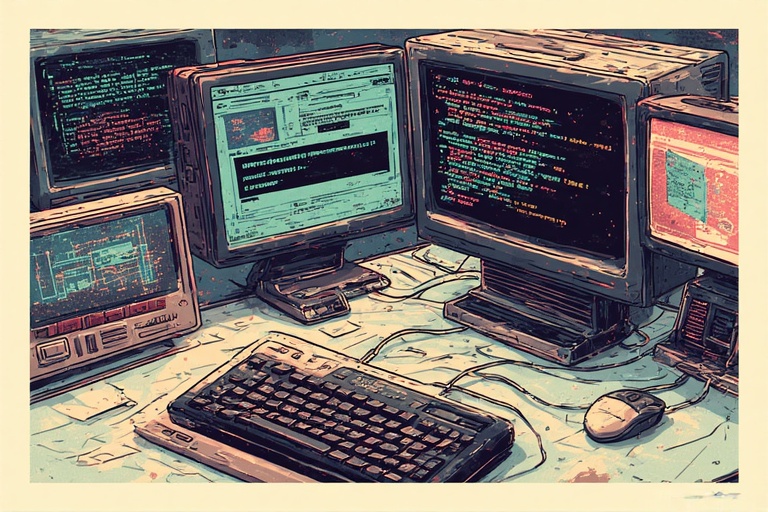
The Early Internet: How the First Digital Experiences Shaped Our Online Lives

Long before social media algorithms and polished web design dominated our online experiences, the internet was a wild, chaotic, and sometimes unforgiving playground. For those who came of age during the early days of connectivity, the web was not just a tool—it was a teacher, shaping curiosity, resilience, and digital literacy in ways that continue to influence behavior today. Experiencing the internet in its unrefined, pre-corporate form demanded patience, focus, and creativity. Every login was a gamble, every download a test of judgment, and every interaction an experiment in social norms. Unlike the modern online ecosystem, which encourages endless scrolling … Read more
How China’s Digital Culture Quietly Became a Global Soft Power Force

China’s Soft Power Is Quietly Flooding the World Through a Censored Internet

For decades, China struggled with an uncomfortable paradox. It became one of the most economically powerful nations on Earth, yet its cultural influence lagged far behind its financial and industrial reach. Unlike the United States, whose movies, music, and tech brands shaped global imagination, or Japan and South Korea, whose anime and K-pop captivated younger generations worldwide, China’s cultural footprint felt limited, state-driven, and often uninspiring. That reality has changed — and it has changed in a way few policymakers, analysts, or even Beijing’s own planners fully anticipated. Today, Chinese cultural products are breaking into global mainstream consciousness at a … Read more

How Dead Internet Theory Explains Changes In Online Content

How Dead Internet Theory Explains Changes In Online Content

The internet is no longer the same freewheeling, chaotic digital space that early users remember. The dead internet theory, a concept that has recently gained attention in online communities, suggests that the internet we interact with today is largely dominated by automated content. According to this theory, much of what we consume online—from social media posts and forum discussions to blog articles and comments—is generated by AI models, bots, and click farms, rather than real human beings. This concept, which may sound like the premise of a science fiction novel, taps into a growing concern about authenticity, the influence of … Read more