

Wearable technology has rapidly transformed the way individuals interact with their health and fitness. From step counting to advanced metrics like VO₂max and recovery scores, smartwatches promise a data-driven approach to personal wellness. Millions of users now depend on these devices to guide exercise routines, monitor sleep quality, and optimize performance.
However, beneath this veneer of precision lies a fundamental issue: most smartwatch metrics are estimations rather than direct measurements. While the interface may present numbers with scientific authority, the underlying calculations often rely on algorithms that interpret incomplete or indirect data. This creates a significant gap between perceived accuracy and actual reliability.
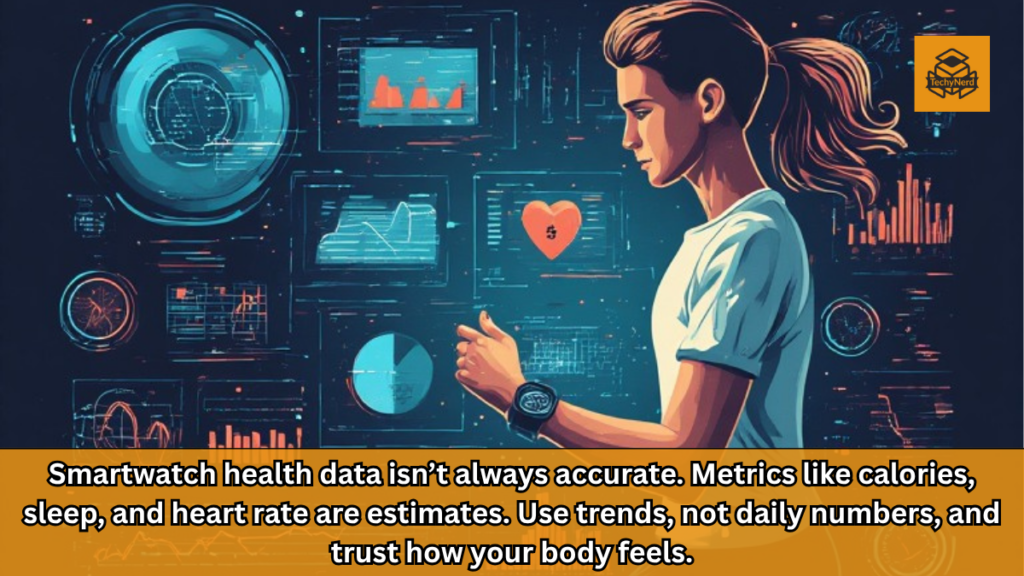
Understanding these limitations is essential not only for fitness enthusiasts but also for professionals integrating wearable data into broader health strategies. The growing reliance on such devices demands a critical evaluation of their capabilities and constraints.
The Rise of Wearable Fitness Technology
Over the past decade, wearable devices have evolved from simple pedometers into sophisticated health-monitoring systems. They now track heart rate variability, estimate caloric expenditure, analyze sleep stages, and even attempt to measure cardiovascular fitness levels.
This evolution has been fueled by advancements in sensor technology, machine learning, and mobile computing. Companies have positioned these devices as personal health assistants capable of delivering actionable insights in real time.
Yet, the convenience and accessibility of these tools often overshadow their inherent limitations. Users tend to assume that more data equates to better decisions, without questioning the validity of that data.
The Problem with Indirect Measurement
The core issue with smartwatches lies in their inability to directly measure many of the metrics they display. Instead, they rely on proxy indicators such as movement patterns, optical heart rate sensors, and historical user data.
For example, instead of measuring oxygen consumption directly, a smartwatch estimates VO₂max using heart rate and motion data. Similarly, sleep stages are inferred based on movement and heart rate rather than brain activity, which is the clinical standard.
These indirect methods introduce variability and potential error, particularly when applied across diverse populations with different physiological characteristics.
Calorie Tracking: A Flawed Foundation
Calorie tracking is one of the most widely used features in wearable devices. It plays a central role in weight management and fitness planning. However, research indicates that these estimates can deviate by more than 20 percent from actual energy expenditure.
The inaccuracies stem from several factors, including variations in metabolism, differences in activity intensity, and the inability of sensors to capture all forms of movement. Activities such as strength training or high-intensity interval workouts often produce the largest discrepancies.
This has real-world consequences. Overestimating calories burned can lead to increased food intake and potential weight gain, while underestimation may result in insufficient nutrition and reduced performance.
Step Counts: Useful but Imperfect
Step counting is often considered the most basic and reliable metric offered by smartwatches. While generally more accurate than other features, it is still subject to error.
Devices rely heavily on arm movement to detect steps, which means activities like carrying objects, pushing a stroller, or walking with minimal arm swing can lead to undercounting. Conversely, certain non-walking movements may be mistakenly recorded as steps.
Despite these limitations, step counts remain valuable for tracking overall activity trends. The key is to interpret them as approximate indicators rather than precise measurements.
Heart Rate Monitoring: Accuracy Under Pressure
Heart rate monitoring is another cornerstone of wearable technology. Most devices use optical sensors that detect blood flow changes in the wrist. This method works reasonably well at rest or during low-intensity activities.
However, accuracy declines as exercise intensity increases. Factors such as sweat, motion, skin tone, and device fit can all interfere with readings. Even minor inaccuracies can have significant implications for users relying on heart rate zones to guide training.
For athletes and serious fitness enthusiasts, these discrepancies can lead to suboptimal training intensity, potentially hindering progress or increasing the risk of overtraining.
Sleep Tracking: The Limits of Consumer Technology
Sleep tracking has become a popular feature, with devices offering detailed breakdowns of sleep stages, including light, deep, and REM sleep. While this data appears comprehensive, it is far from clinically accurate.
The gold standard for sleep analysis involves monitoring brain activity through polysomnography. Smartwatches, by contrast, rely on movement and heart rate data to infer sleep patterns.
As a result, while devices can reasonably detect whether a user is asleep or awake, their ability to accurately classify sleep stages is limited. Users may receive misleading insights about sleep quality, potentially causing unnecessary चिंता or misguided adjustments to routines.
Recovery Scores: A Compound of Errors
Recovery or readiness scores are among the most advanced metrics offered by modern smartwatches. These scores typically combine heart rate variability and sleep data to estimate how prepared the body is for physical activity.
However, both underlying metrics are themselves prone to error. Heart rate variability is best measured using clinical-grade equipment, while sleep data is already an approximation.
Combining two imperfect data sources amplifies the uncertainty, resulting in a metric that may not accurately reflect actual recovery status. This can lead users to skip workouts unnecessarily or train when their bodies need rest.
VO₂max: The Gold Standard That Isn’t
VO₂max is widely regarded as a key indicator of cardiovascular fitness. In laboratory settings, it is measured using specialized equipment that analyzes oxygen consumption during exercise.
Smartwatches attempt to estimate this value using algorithms based on heart rate and movement data. While convenient, these estimates often lack precision.
Devices tend to overestimate VO₂max in less active individuals and underestimate it in highly trained users. This creates a misleading picture of fitness levels and can impact training decisions.
Psychological Impact of Inaccurate Data
Beyond physical implications, inaccurate smartwatch data can also affect mental well-being. Users may experience frustration or चिंता when device readings contradict their perceived performance.
For example, completing a satisfying workout only to see a low recovery score or poor fitness rating can undermine confidence and motivation. Over time, this disconnect can lead to overreliance on technology at the expense of intuitive understanding.
The psychological influence of these devices should not be underestimated, particularly as they become more integrated into daily life.
The Role of Trends Over Precision
Despite their limitations, smartwatches are not without value. Their strength lies in tracking long-term trends rather than providing exact measurements.
Consistent data collection over time can reveal patterns in activity levels, sleep habits, and overall health. These insights can be useful for identifying changes and making informed adjustments.
The key is to focus on relative changes rather than absolute numbers. A gradual increase in activity or improvement in sleep consistency is more meaningful than a single day’s data point.
Best Practices for Using Smartwatch Data
To maximize the benefits of wearable technology, users should adopt a balanced approach. This involves combining device data with subjective experience, such as how the body feels during and after exercise.
Listening to physical cues, maintaining awareness of energy levels, and considering external factors like stress and nutrition are essential components of effective health management.
Smartwatches should be viewed as supportive tools rather than definitive authorities. When used in conjunction with personal judgment, they can enhance rather than hinder decision-making.
The Future of Wearable Accuracy
The wearable technology industry continues to evolve, with ongoing research aimed at improving sensor accuracy and algorithm reliability. Advances in artificial intelligence and data integration may eventually bridge the gap between estimation and precision.
However, achieving clinical-level accuracy in consumer devices remains a significant challenge. Until then, users must remain informed and cautious in their interpretation of smartwatch data.
FAQs
1. Are smartwatches completely inaccurate?
No, they provide useful estimates and trends but should not be considered precise measurements.
2. Why do calorie counts vary so much?
They rely on algorithms and indirect data, leading to significant variation based on activity type and individual differences.
3. Can I trust step counts?
They are generally reliable for trends but may not capture every step accurately.
4. Is heart rate monitoring dependable?
It is accurate at rest but less reliable during high-intensity activities.
5. How accurate is sleep tracking?
It can detect sleep duration but struggles to accurately identify sleep stages.
6. Should I follow recovery scores strictly?
No, combine them with how your body feels before making decisions.
7. What is VO₂max and why is it important?
It measures cardiovascular fitness, but smartwatch estimates may not reflect true values.
8. Do smartwatches affect mental health?
Yes, misleading data can impact motivation and confidence.
9. How should I use smartwatch data effectively?
Focus on long-term trends and combine data with personal experience.
10. Will smartwatch accuracy improve in the future?
Yes, advancements in technology are expected to enhance accuracy over time.