

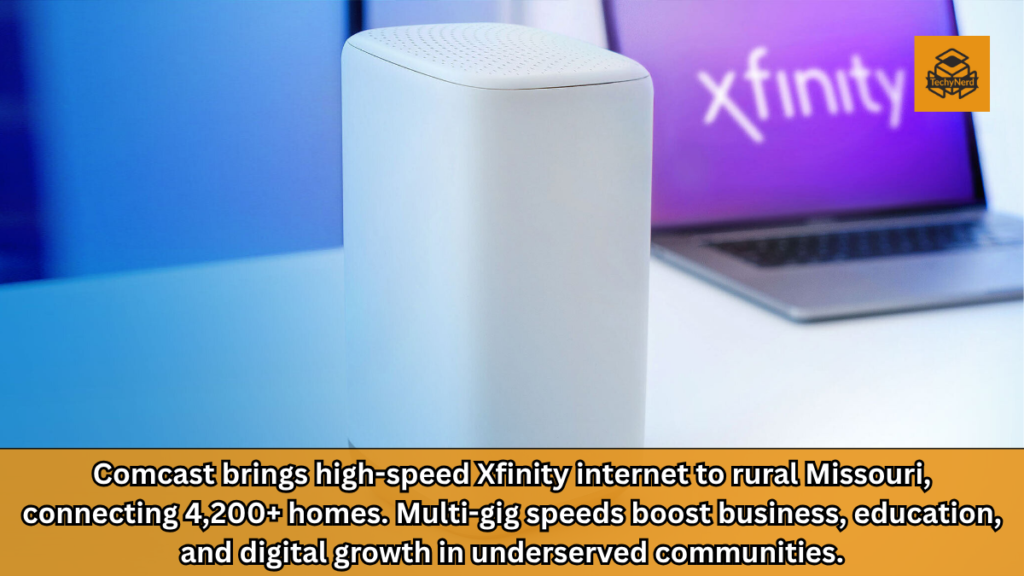
Access to reliable, high-speed internet is no longer a luxury reserved for urban populations. It has become a foundational necessity that underpins economic growth, education, healthcare access, and social connectivity. In this context, the recent expansion initiative by Comcast to extend its Xfinity network into additional rural regions of Missouri represents a significant milestone in the ongoing effort to bridge the digital divide.
The company’s plan to connect more than 4,200 homes and businesses across Adrian, Archie, and Butler demonstrates a broader strategic commitment to expanding broadband infrastructure into underserved areas. This initiative is not merely about increasing internet availability; it reflects a comprehensive transformation of how communities interact with technology in an increasingly digital-first world.
The Strategic Importance of Broadband Expansion
Broadband connectivity has emerged as a critical driver of economic and social development. In rural areas, where infrastructure gaps have historically limited access, the introduction of multi-gigabit internet services can catalyze transformative change.
The expansion led by Comcast is part of a larger national trend in which telecommunications providers are investing heavily in next-generation networks. By extending its reach to smaller cities, the company is enabling these communities to participate fully in the digital economy.
High-speed internet facilitates remote work, supports digital education platforms, enhances telemedicine capabilities, and empowers small businesses to reach broader markets. Without such connectivity, rural regions risk falling further behind in an increasingly interconnected global economy.
Overview of the Missouri Expansion Initiative
The current phase of expansion targets three cities in Missouri: Adrian, Archie, and Butler. These communities will gain access to a converged network capable of delivering symmetrical multi-gigabit speeds. This means that users can experience equally fast upload and download speeds, a feature particularly valuable for modern applications such as cloud computing, video conferencing, and content creation.
This initiative builds upon earlier announcements involving other Missouri communities, including Concordia, Harrisonville, Higginsville, Lexington, Napoleon, and Wellington. Collectively, these projects represent a sustained investment in the state’s digital infrastructure, with completion timelines extending into 2027.
Understanding the Converged Network Model
At the core of this expansion is Comcast’s converged network architecture. Unlike traditional broadband systems that rely on separate infrastructures for different services, a converged network integrates internet, mobile, and entertainment services into a unified platform.
This approach offers several advantages. It simplifies service delivery, enhances network efficiency, and provides users with a seamless experience across devices and locations. For consumers, this translates into faster speeds, improved reliability, and greater control over their digital environments.
From a technical perspective, converged networks leverage advanced technologies such as fiber optics, distributed access architecture, and intelligent traffic management systems. These innovations enable the network to handle increasing data demands while maintaining consistent performance.
Xfinity Services: A Comprehensive Digital Ecosystem
The expansion brings a full suite of Xfinity services to the newly connected communities. These services are designed to address a wide range of consumer needs, from basic internet access to advanced smart home solutions.
Xfinity Internet serves as the foundation, offering multi-gig speeds and extensive WiFi coverage. This ensures that users can engage in bandwidth-intensive activities such as streaming, gaming, and remote work without interruption.
Xfinity Mobile extends connectivity beyond the home, providing high-speed wireless access supported by a combination of cellular networks and WiFi hotspots. This hybrid approach enhances coverage and reduces costs for users.
Xfinity TV integrates traditional broadcasting with modern streaming services, creating a unified entertainment platform. Meanwhile, Xfinity Home introduces smart security and automation features, enabling users to monitor and control their living environments remotely.
Together, these services form a comprehensive digital ecosystem that supports both individual lifestyles and broader community development.
Comcast Business: Empowering Local Enterprises
In addition to residential services, Comcast is extending its Comcast Business solutions to these communities. These offerings are tailored to meet the needs of businesses of all sizes, from small startups to established enterprises.
High-speed internet connectivity is essential for modern business operations, enabling efficient communication, data management, and customer engagement. Comcast Business complements this with advanced networking solutions such as SD-WAN, cloud connectivity, and unified communications.
For businesses operating in competitive markets, access to reliable connectivity can be a निर्णing factor in growth and sustainability. The introduction of these services in rural Missouri provides local enterprises with the tools they need to expand and innovate.
Economic Impact: Driving Growth and Opportunity
The economic implications of broadband expansion are profound. By improving connectivity, Comcast is creating new opportunities for job creation, entrepreneurship, and investment.
Small businesses can leverage digital platforms to reach wider audiences, while remote work capabilities allow residents to access employment opportunities beyond their immediate geographic areas.
Educational institutions benefit from enhanced access to online resources, enabling students to develop skills that are essential in the modern workforce. Similarly, healthcare providers can utilize telemedicine technologies to deliver services more efficiently and effectively.
These combined effects contribute to increased economic mobility and improved quality of life for residents.
Social and Community Benefits
Beyond economic considerations, broadband connectivity has a significant impact on social well-being. Access to reliable internet enables individuals to stay connected with family and friends, access information, and participate in digital communities.
For rural areas, where physical distances can limit interaction, digital connectivity serves as a vital bridge. It supports community engagement, cultural exchange, and access to essential services.
Programs like Internet Essentials further enhance these benefits by making high-speed internet accessible to low-income households. By addressing affordability barriers, Comcast is ensuring that the advantages of connectivity are distributed more equitably.
Technological Foundations: Multi-Gigabit and Symmetrical Speeds
One of the defining features of this expansion is the provision of multi-gigabit, symmetrical internet speeds. Traditional broadband services often offer faster download speeds than upload speeds, reflecting older usage patterns.
However, modern applications such as video conferencing, cloud storage, and content creation require robust upload capabilities. Symmetrical speeds address this need, enabling users to upload data as quickly as they can download it.
This capability is particularly important for businesses and professionals who rely on real-time data exchange. It also enhances the overall user experience by reducing latency and improving responsiveness.
Challenges and Considerations
While the benefits of broadband expansion are clear, implementing such projects presents several challenges. Infrastructure development in rural areas can be complex and costly, requiring significant investment and coordination.
Geographic factors, regulatory requirements, and logistical constraints can all impact the pace of deployment. Additionally, ensuring that networks remain secure and resilient in the face of increasing cyber threats is an ongoing concern.
Despite these challenges, the long-term benefits of improved connectivity justify the investment. Continued collaboration between private companies, government entities, and local communities is essential to overcoming these obstacles.
The Future of Connectivity in Rural America
The expansion of Xfinity services in Missouri represents a broader trend toward universal connectivity. As technology continues to evolve, the demand for high-speed internet will only increase.
Emerging technologies such as artificial intelligence, the Internet of Things, and advanced data analytics rely heavily on robust network infrastructure. By investing in broadband expansion այսօր, companies like Comcast are laying the groundwork for future innovation.
In the coming years, we can expect to see further advancements in network technology, including the deployment of next-generation wireless systems and enhanced fiber networks. These developments will continue to transform how individuals and communities interact with technology.
Conclusion: A Step Toward a More Connected Future
Comcast’s expansion of its Xfinity network into additional Missouri communities is a significant step toward closing the digital divide. By providing access to high-speed, reliable internet, the company is enabling residents and businesses to participate fully in the digital economy.
This initiative highlights the critical role of broadband infrastructure in driving economic growth, enhancing quality of life, and fostering innovation. As connectivity becomes increasingly central to modern life, investments like these will play a crucial role in shaping the future of communities across the country.
FAQs
1. What is the main goal of this expansion?
To provide high-speed internet access to underserved rural communities in Missouri.
2. Which cities are included in this project?
Adrian, Archie, and Butler in Missouri.
3. What type of internet speeds will be available?
Multi-gigabit symmetrical speeds for both upload and download.
4. When will the project be completed?
The expansion is expected to be completed by 2027.
5. What services does Xfinity offer?
Internet, mobile, TV, voice, and smart home services.
6. How does this benefit local businesses?
It provides reliable connectivity for operations, communication, and growth.
7. What is a converged network?
A unified system combining internet, mobile, and entertainment services.
8. Are there affordable options for low-income households?
Yes, through programs like Internet Essentials.
9. What technologies are used in this network?
Fiber optics, advanced WiFi systems, and intelligent network management.
10. Why is broadband important for rural areas?
It supports economic growth, education, healthcare, and connectivity.